Apparatus
What each piece of apparatus is for and a mistake that costs marks; every measuring instrument also has a reading guide, and the other apparatus the exams ask most about has an exam guide. For the experiments here, practical work at school and the practical questions in the exam.
48 items
Measuring instruments
Each has a reading guide: how to read it, an exam-style question and the common errors.
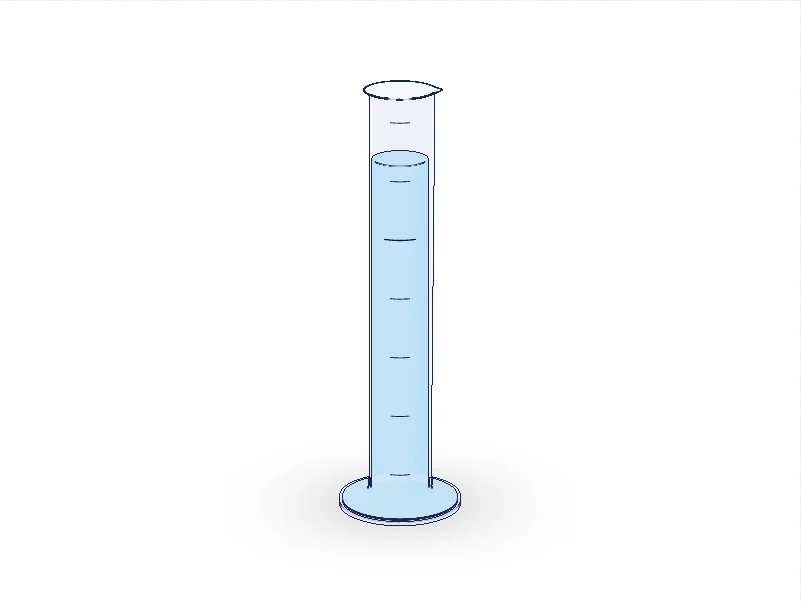 VolumeMeasuring cylinderLiquid volume to the nearest 1 cm³: quick, but rougher than a burette.Biology · Chemistry · PhysicsReading guide
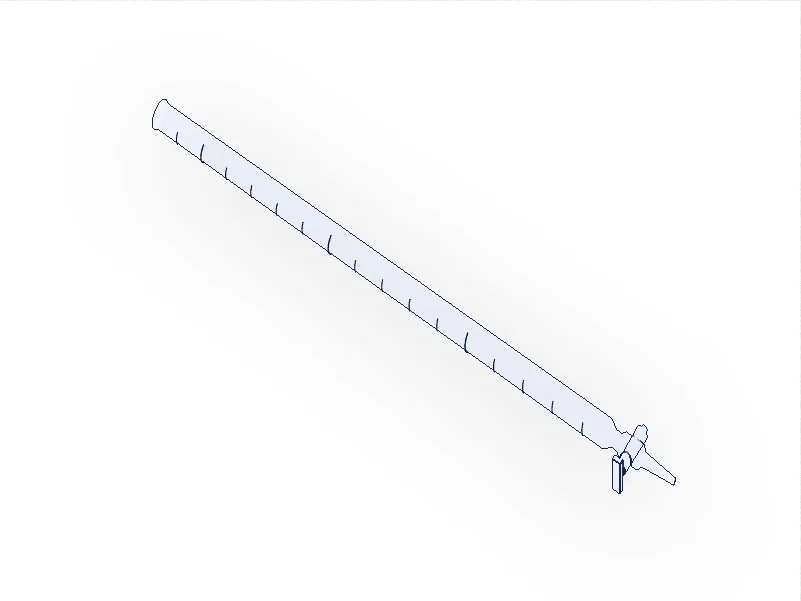 VolumeBuretteA volume you add drop by drop, to 0.05 cm³: the titration tool.ChemistryReading guide
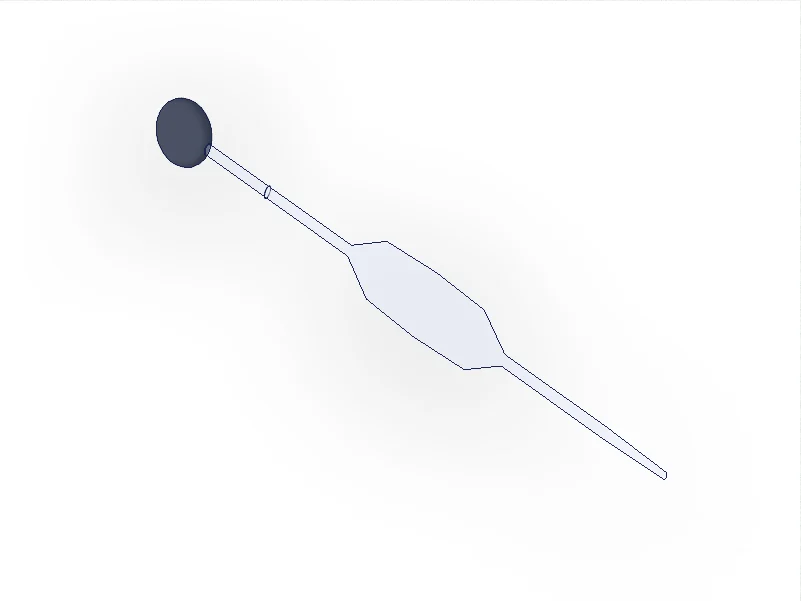 VolumeVolumetric pipetteExactly one volume of solution, such as 25.0 cm³, moved into a flask.ChemistryReading guide
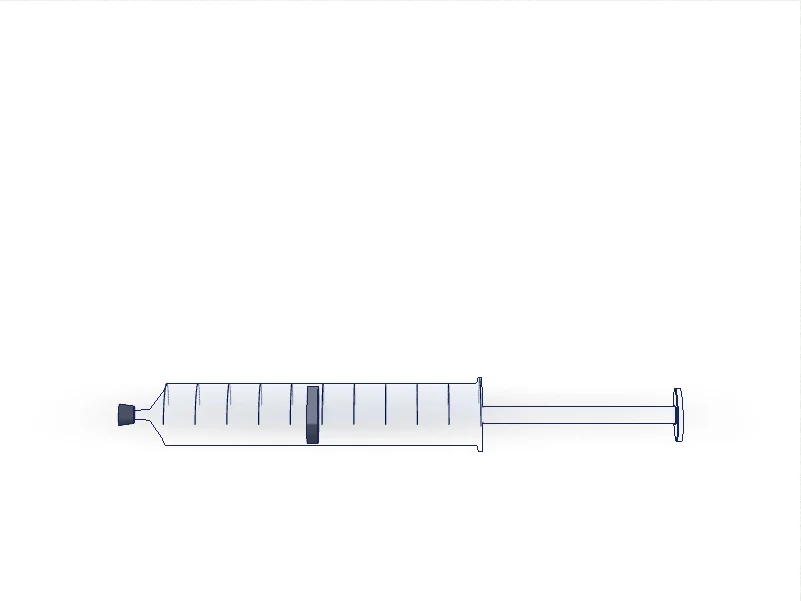 VolumeGas syringeCollects the gas from a reaction and measures its volume, up to 100 cm³.Biology · Chemistry · PhysicsReading guide
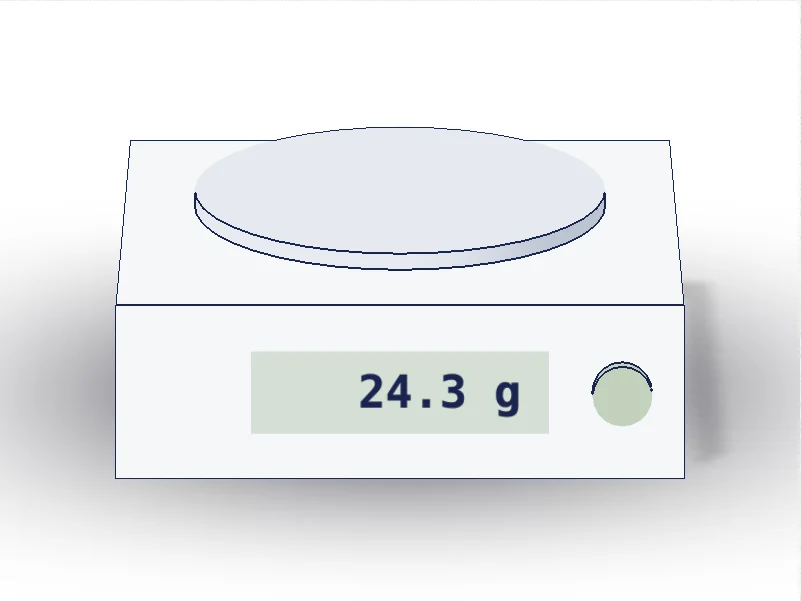 MassTop-pan balanceMass to 0.1 g on a digital display; tare it to weigh just the contents.Biology · Chemistry · PhysicsReading guide
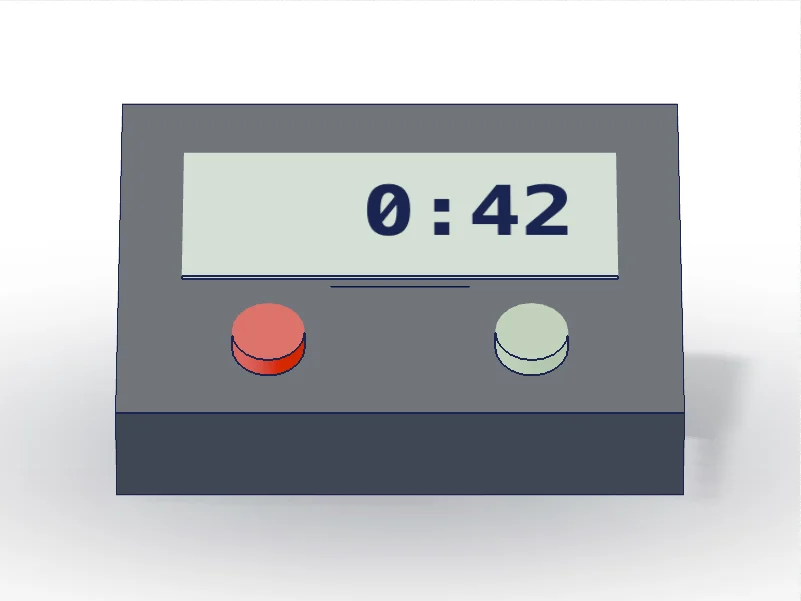 TimeStop-watchTime in seconds; you start and stop it, so your reaction time limits it.Biology · Chemistry · PhysicsReading guide
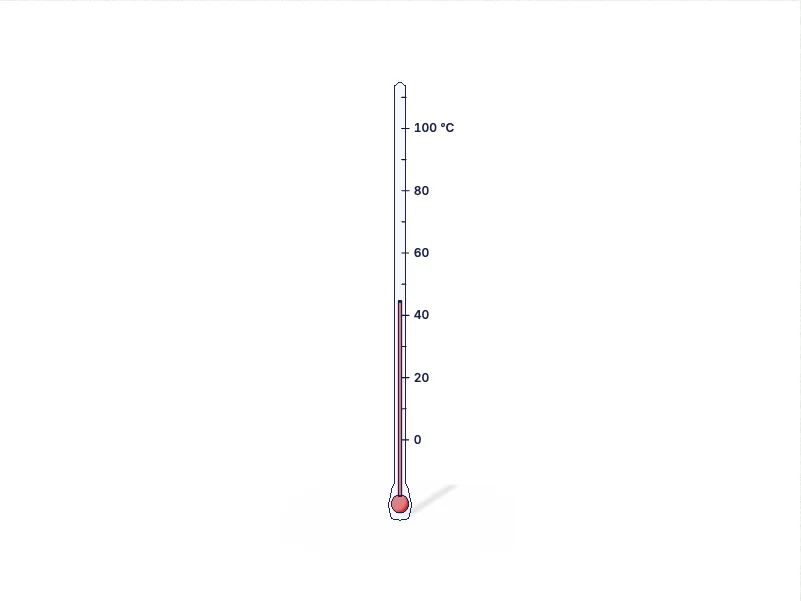 TemperatureThermometerTemperature from –10 °C to 110 °C, in 1 °C steps.Biology · Chemistry · PhysicsReading guide
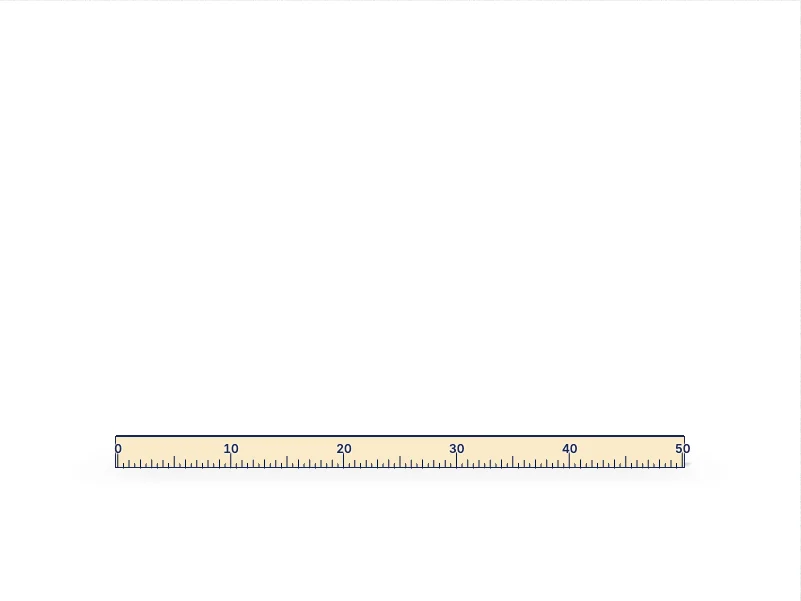 Length and angleRuler and metre ruleLength to the nearest millimetre: 30 cm ruler, half-metre or metre rule.Biology · PhysicsReading guide
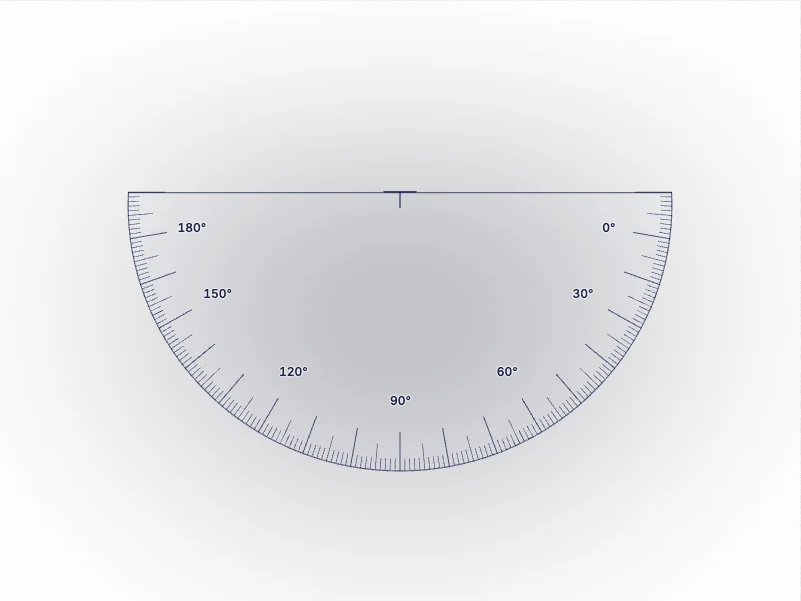 Length and angleProtractorAngles in degrees, 0° to 180°: rays and normals in light experiments.PhysicsReading guide
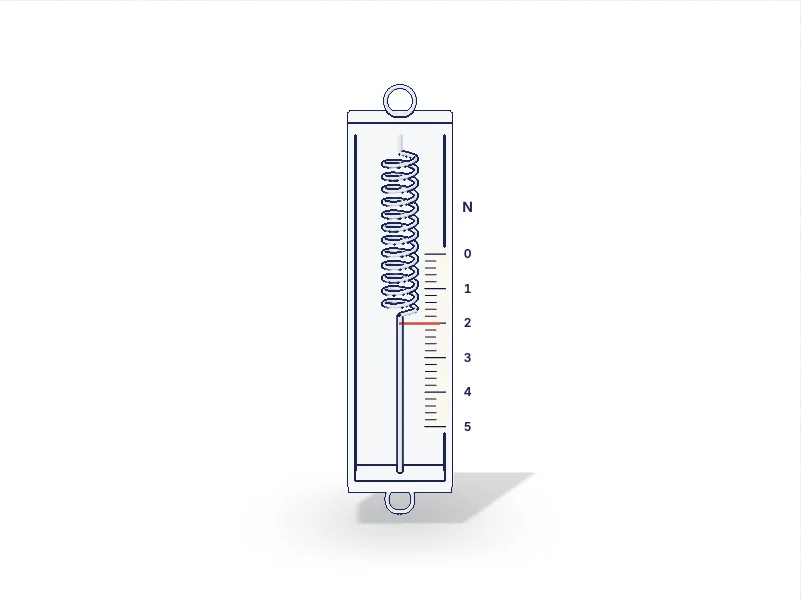 ForceForce meterForce or weight in newtons, from how far a spring stretches.PhysicsReading guide
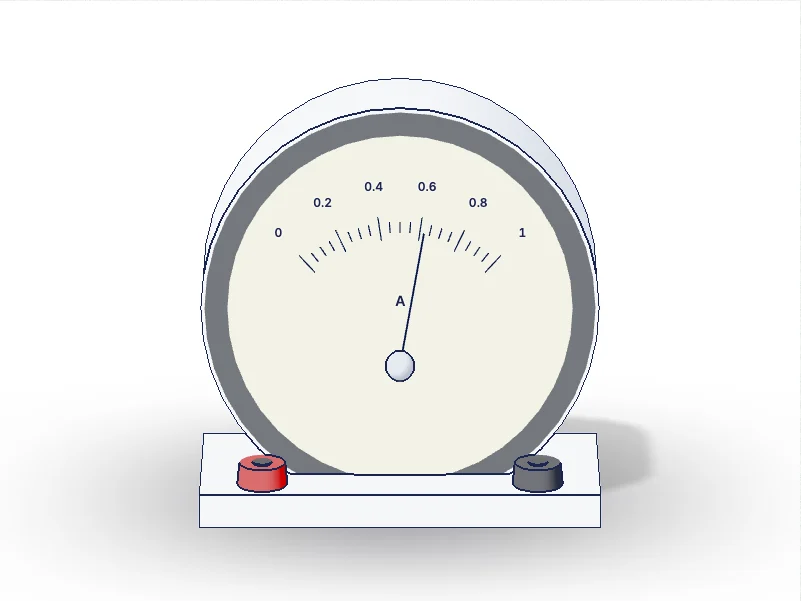 Current and voltageAmmeterCurrent in amperes; it goes in series, in the same loop as the component.PhysicsReading guide
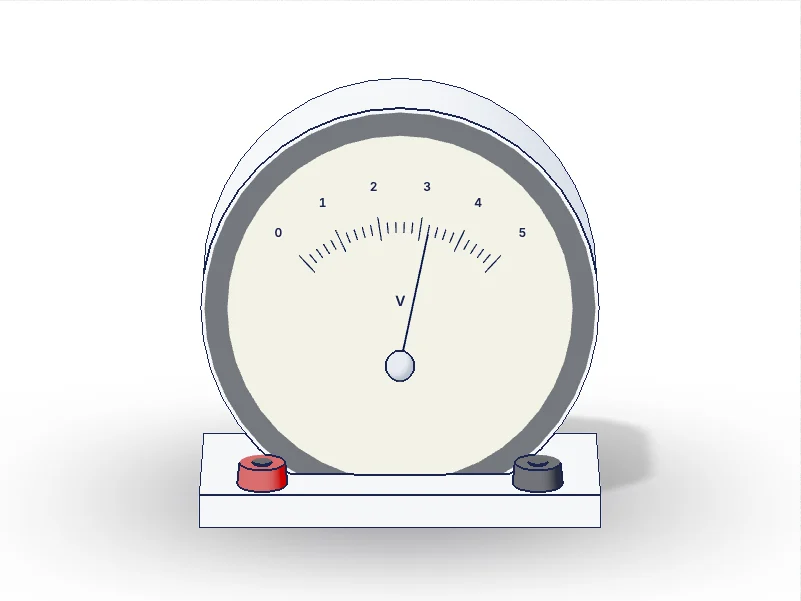 Current and voltageVoltmeterPotential difference in volts; it goes in parallel, across the component.PhysicsReading guide
Heat
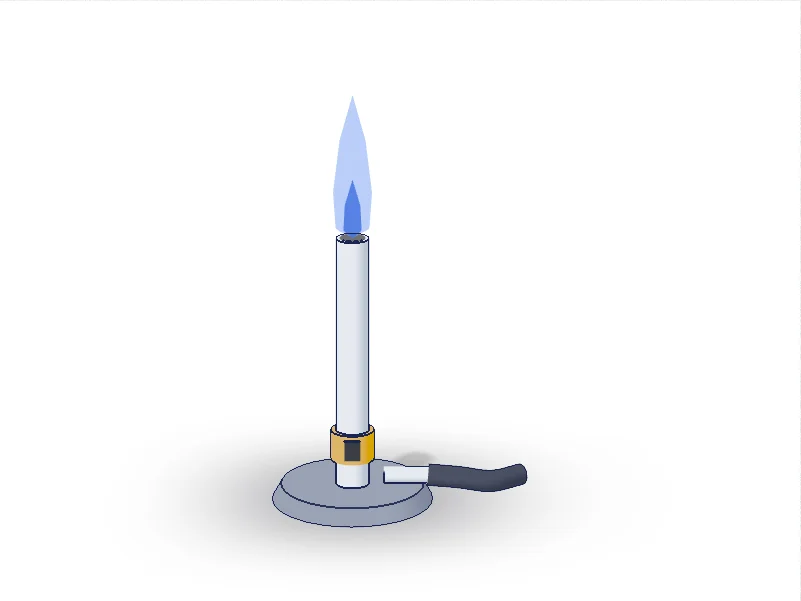 Bunsen burnerA gas flame: blue and hot with the air hole open, yellow when shut.Chemistry
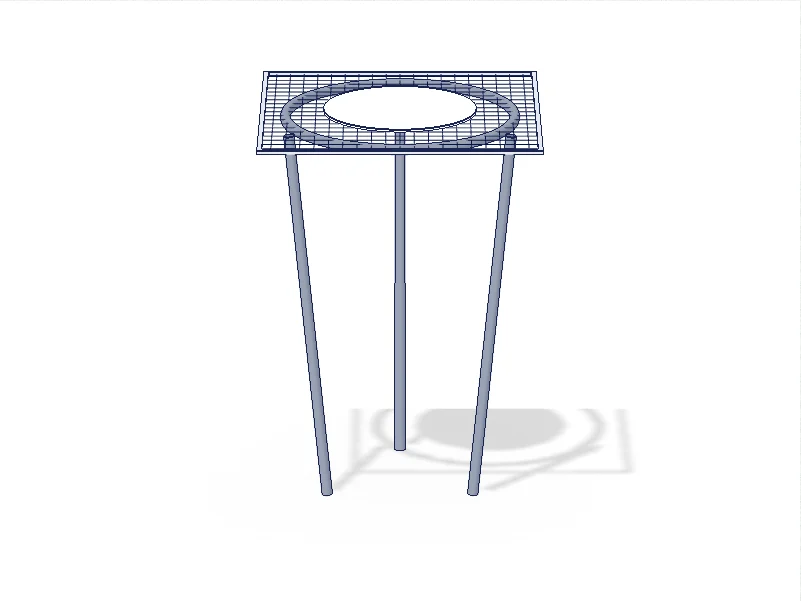 Tripod and gauzeHolds a beaker over a Bunsen flame; the gauze spreads the heat out.Chemistry
 Heat-resistant matProtects the bench under a Bunsen burner or anything hot.Chemistry
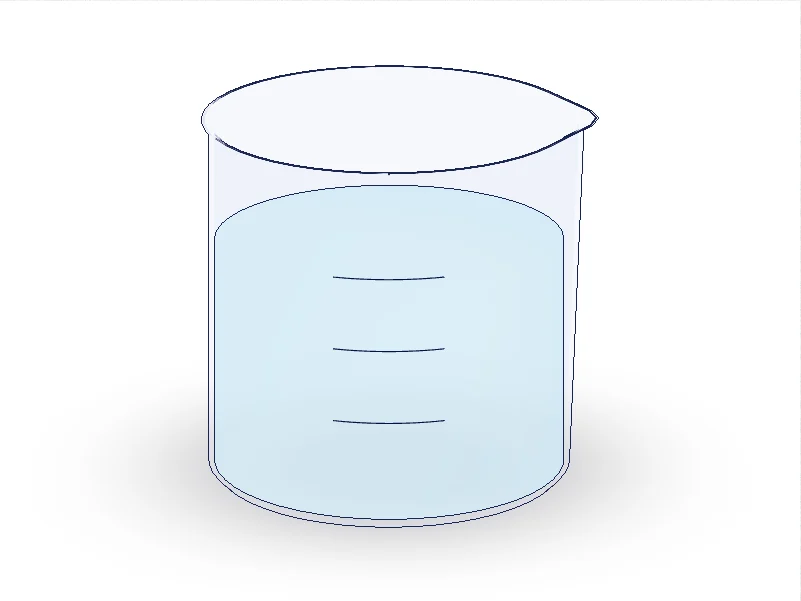 Water bathKeeps tubes at one steady temperature, such as 37 °C for enzymes.BiologyExam guide
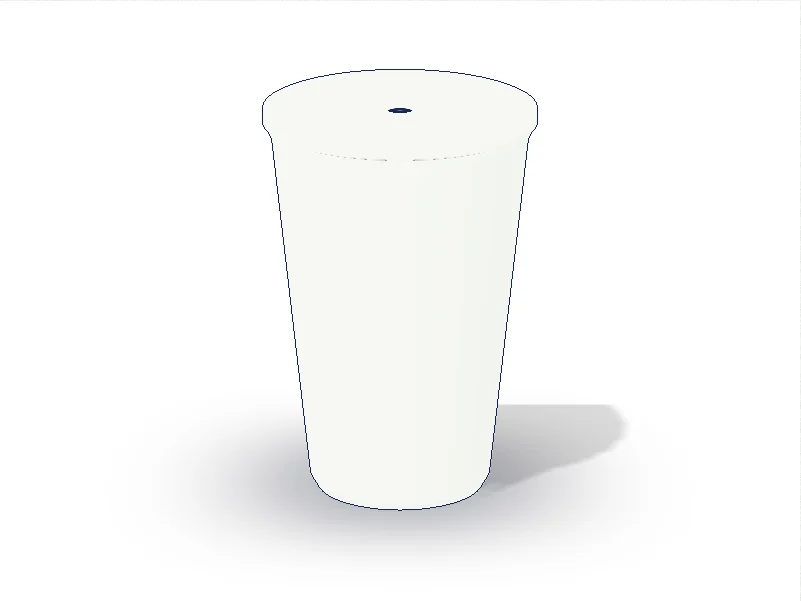 Polystyrene cupAn insulating cup for reactions: less heat escapes than from glass.Chemistry · Physics
Separate
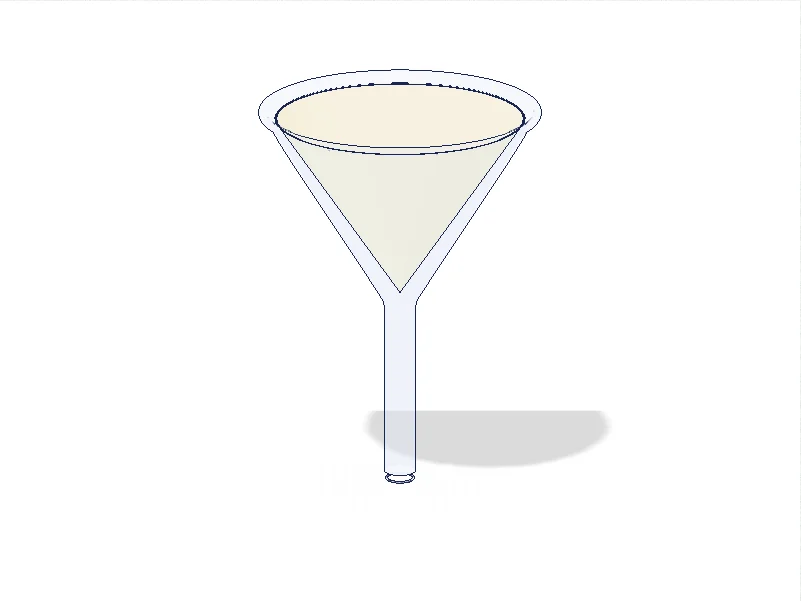 Filter funnel and paperSeparates an insoluble solid (residue) from a liquid (filtrate).Biology · ChemistryExam guide
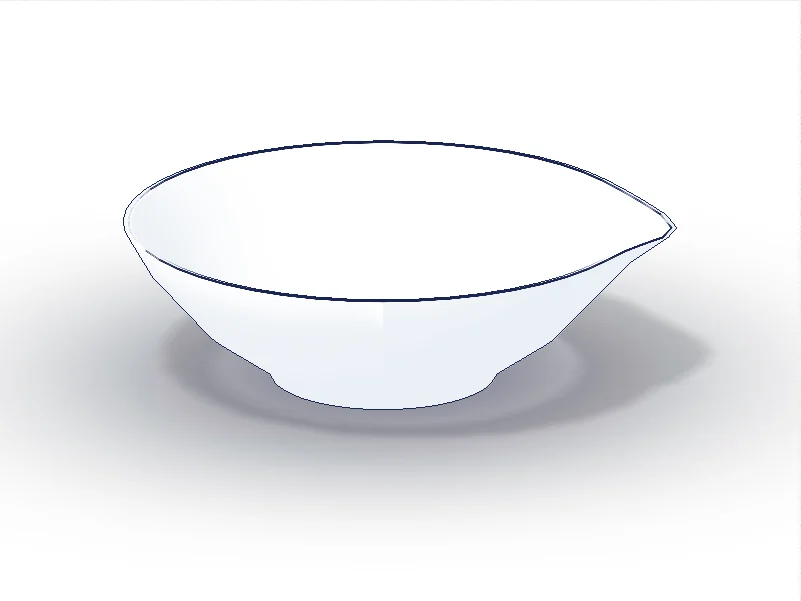 Evaporating basinA shallow dish for evaporating water from a solution to leave a solid.ChemistryExam guide
- CondenserCools a vapour back to a liquid; cold water flows through its jacket.ChemistryExam guide
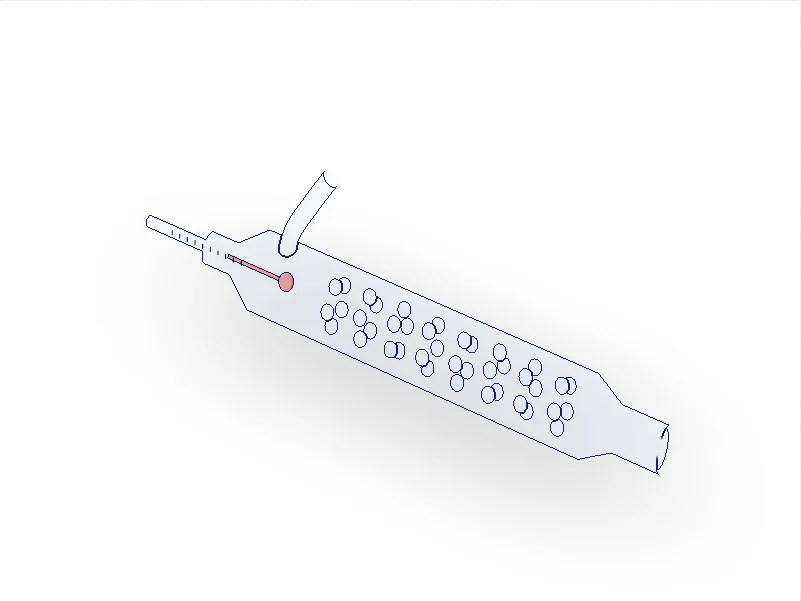 Fractionating columnSeparates liquids that mix, by their boiling points, above the flask.ChemistryExam guide
- Chromatography paperPaper on which a solvent separates the substances in a mixture.ChemistryExam guide
Hold, mix and react
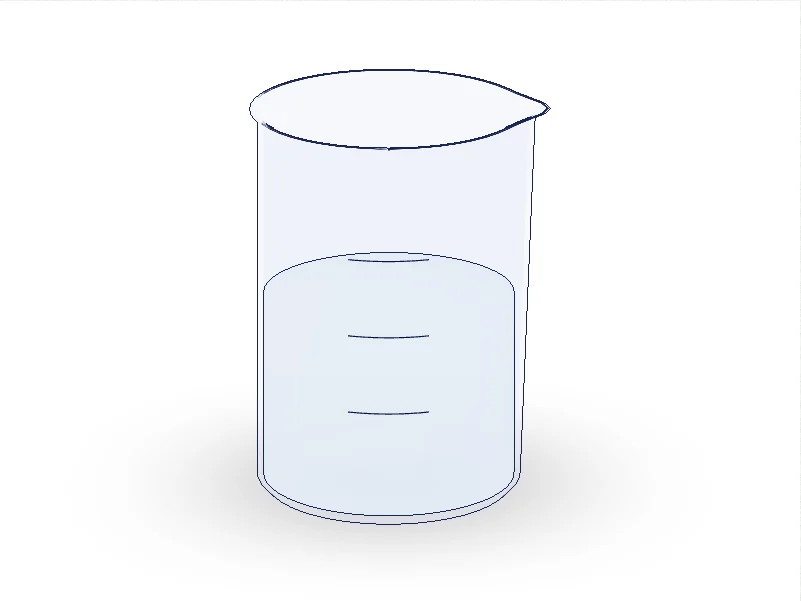 BeakerHolds, mixes and heats liquids; its marks give only rough volumes.Biology · Chemistry · Physics
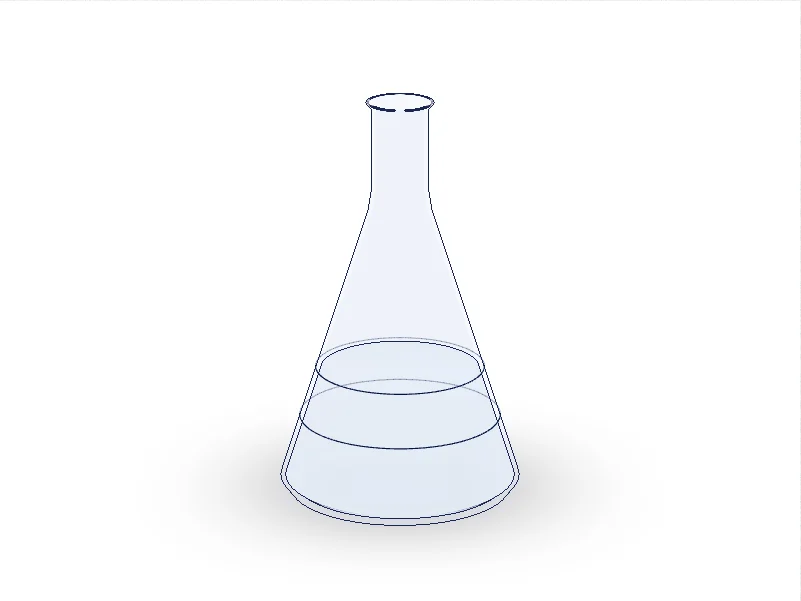 Conical flaskHolds a reaction; its narrow neck lets you swirl it without spilling.Chemistry
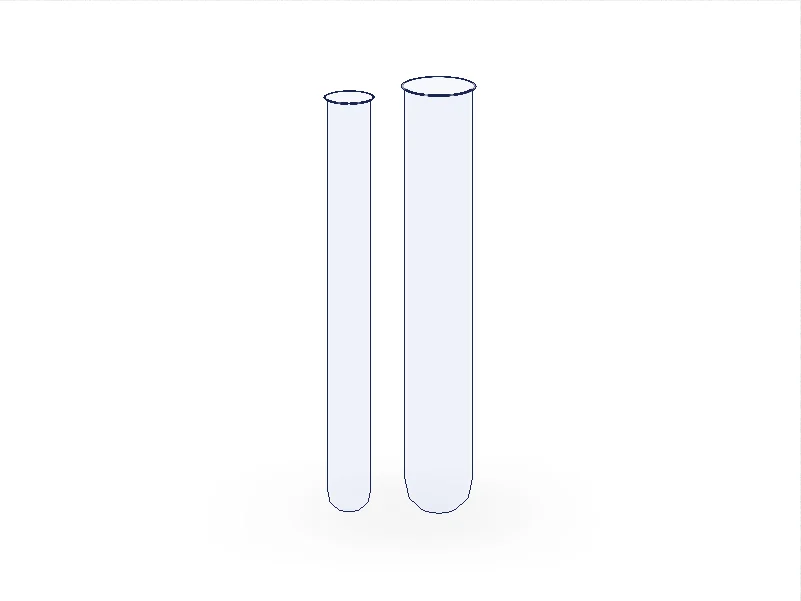 Test-tube and boiling tubeSmall-scale tests and heating; a boiling tube is wider and holds more.Biology · Chemistry · Physics
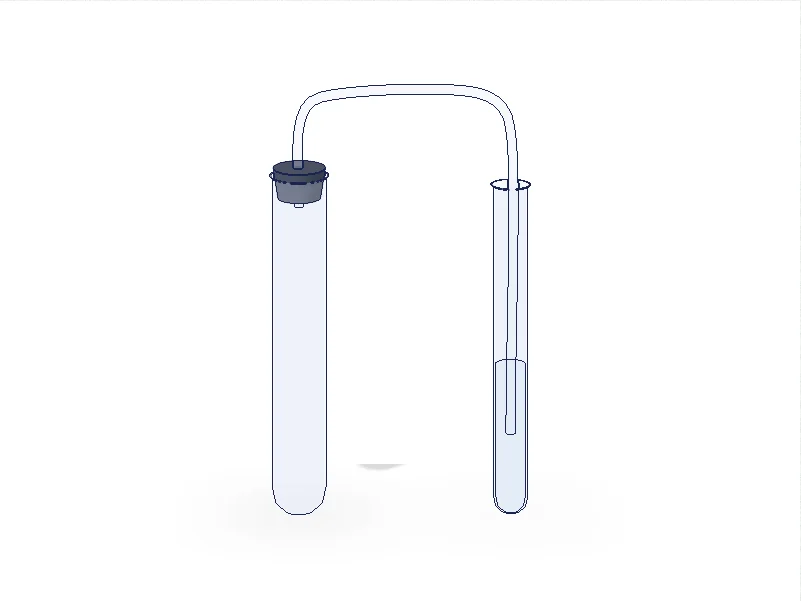 Delivery tube and bungCarries gas from a stoppered flask or tube to a syringe or test.Biology · ChemistryExam guide
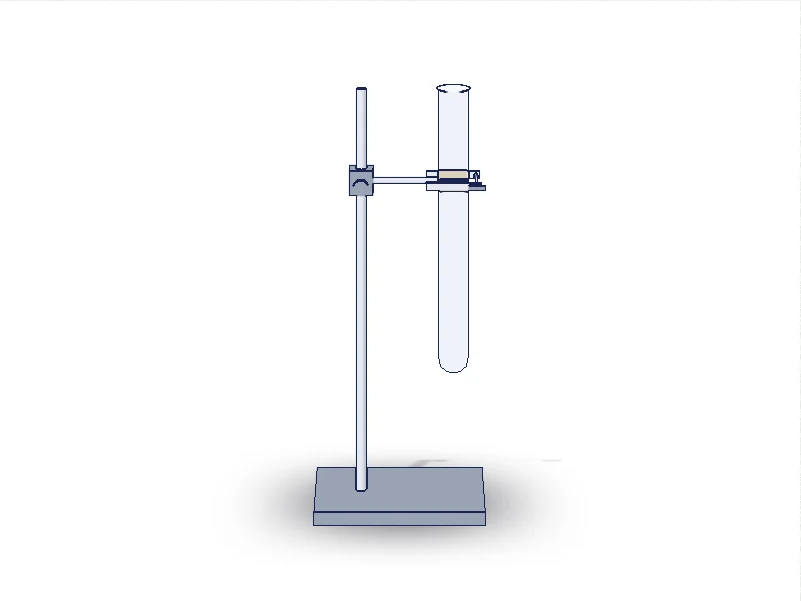 Retort stand, boss and clampHolds glassware or a rule firmly in place with a boss and clamp.Chemistry · Physics
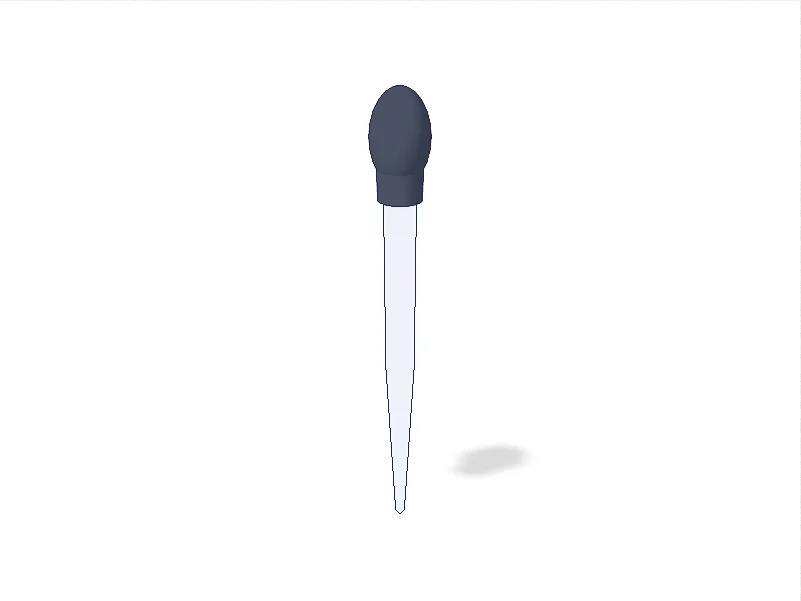 Dropping pipette and syringeAdds liquid drop by drop; a small syringe measures a few cm³.Biology · Chemistry · Physics
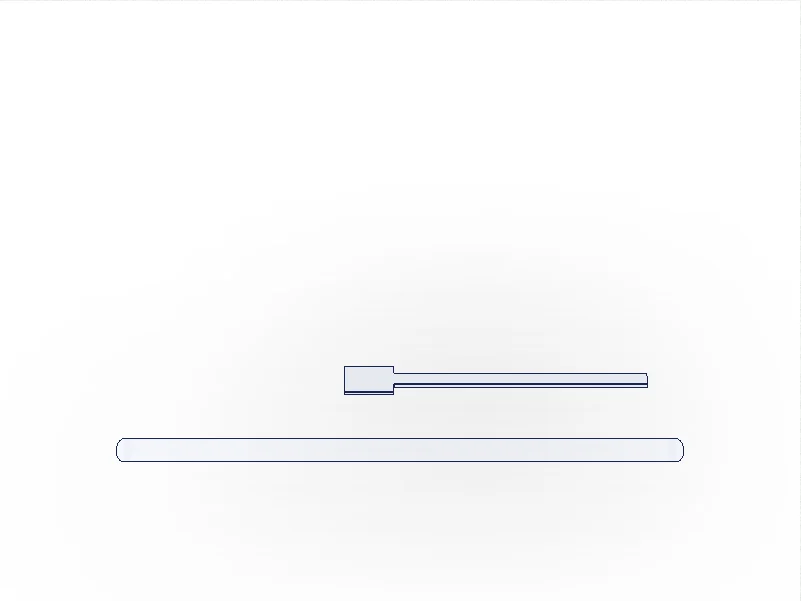 Spatula and stirring rodMoves small amounts of solid; the stirring rod mixes and dissolves.Biology · Chemistry
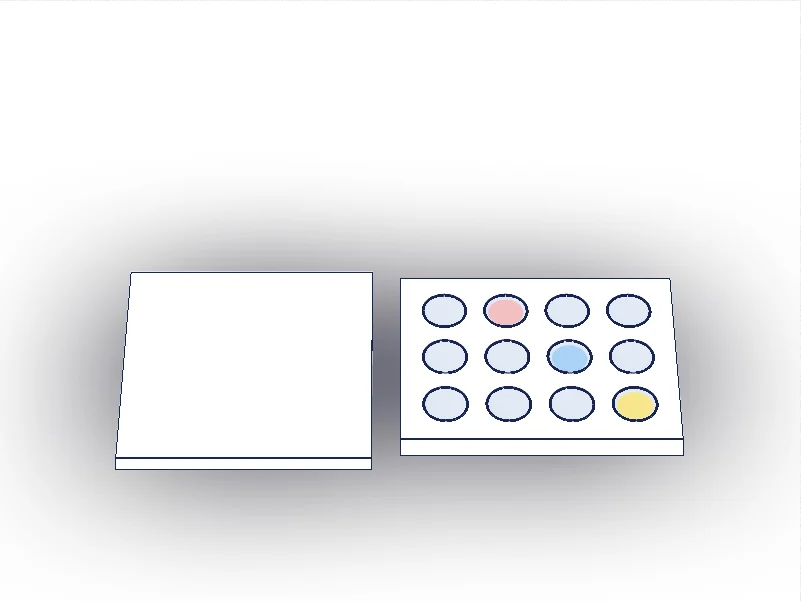 White tile and spotting tileA white background for colour changes; spotting tiles hold drops.Biology · Chemistry
Test
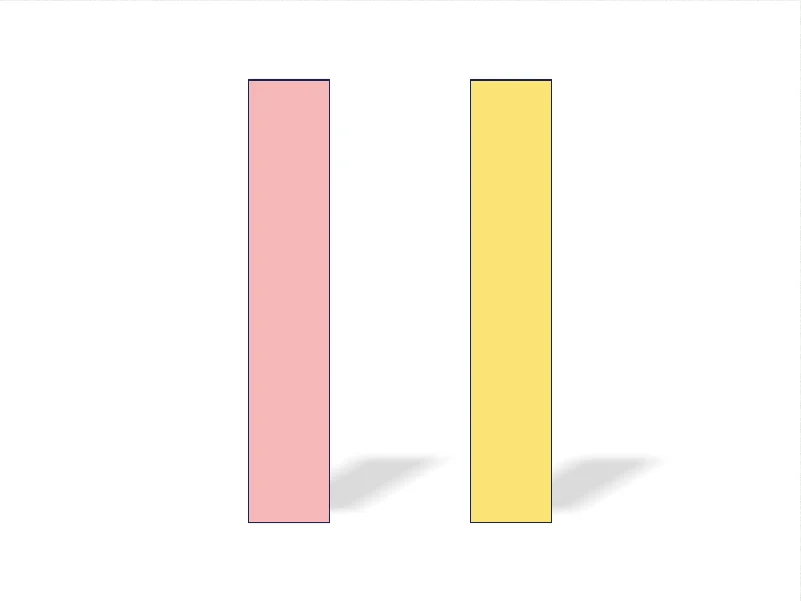 Litmus and universal indicator paperAcid or alkali: litmus goes red or blue; universal indicator shows pH.Chemistry
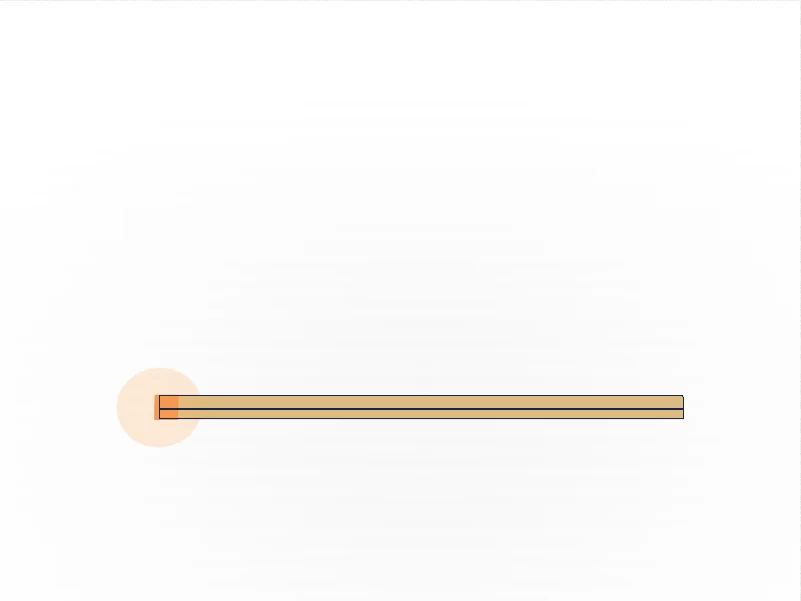 SplintA wooden stick for gas tests: hydrogen pops, oxygen relights it.Chemistry
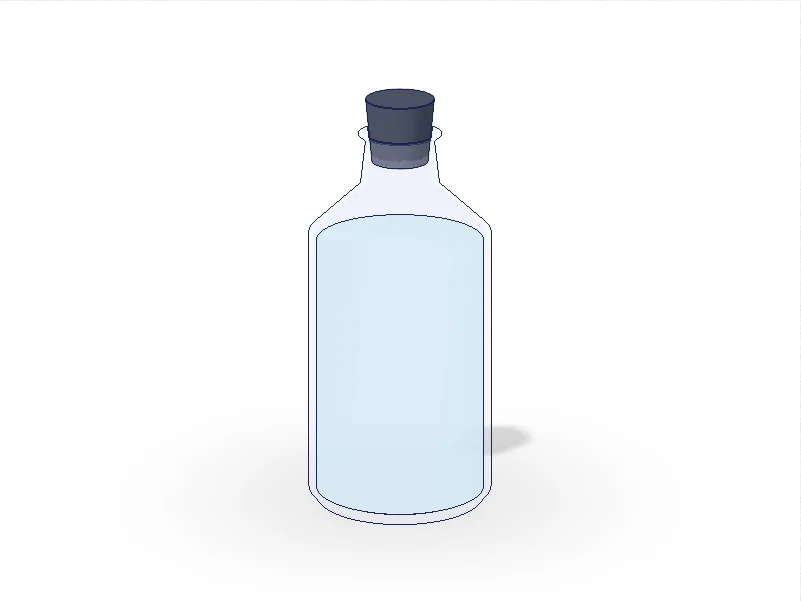 LimewaterTests for carbon dioxide: it turns milky (cloudy white).Biology · Chemistry
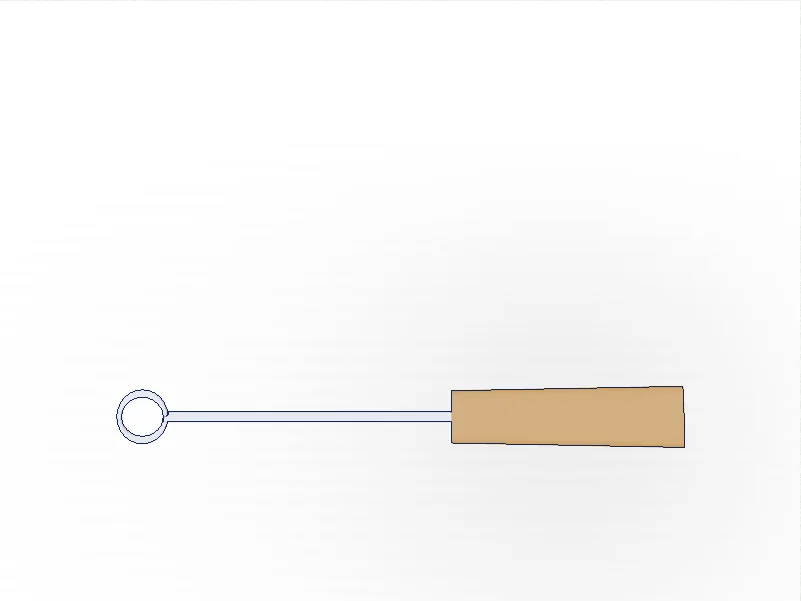 Flame test wireHolds a sample in a flame; the flame colour identifies the metal ion.ChemistryExam guide
Look closely
- Hand lensMagnifies a specimen (at least ×6) so you can see detail by eye.Biology
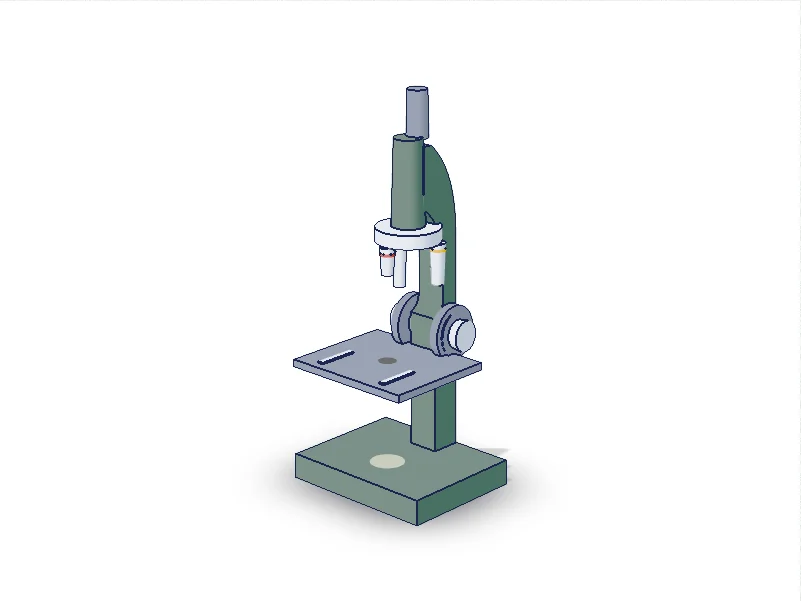 Light microscopeMagnifies cells and tissues: magnification = eyepiece × objective.BiologyExam guide
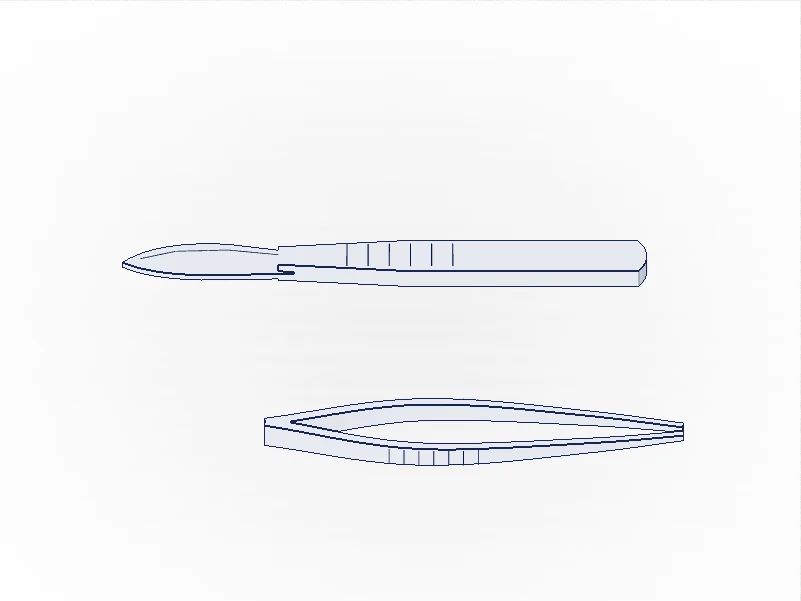 Scalpel, forceps and mounted needleCut, hold and tease apart specimens: scalpel, forceps, mounted needle.Biology
- Visking tubingA partially permeable bag: small molecules pass, large ones do not.BiologyExam guide
Light
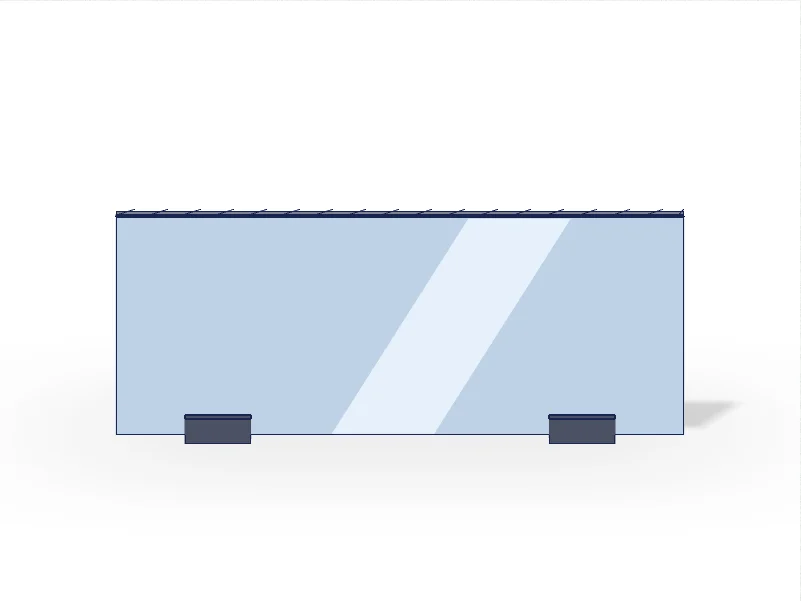 Plane mirrorReflects rays; the image is as far behind as the object is in front.PhysicsExam guide
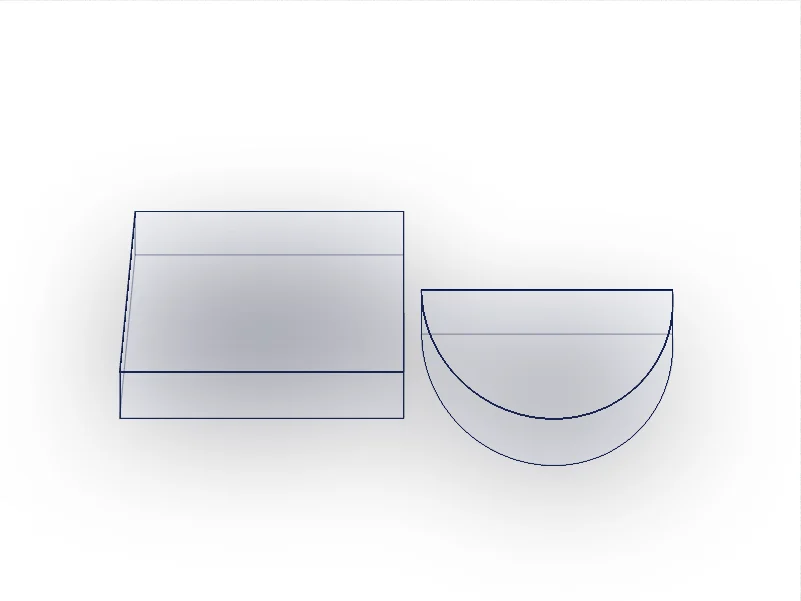 Glass blocks and prismRefracts (bends) rays: rectangular and semicircular blocks, a prism.PhysicsExam guide
- Converging and diverging lensesConverging lenses focus a parallel beam; diverging lenses spread it out.PhysicsExam guide
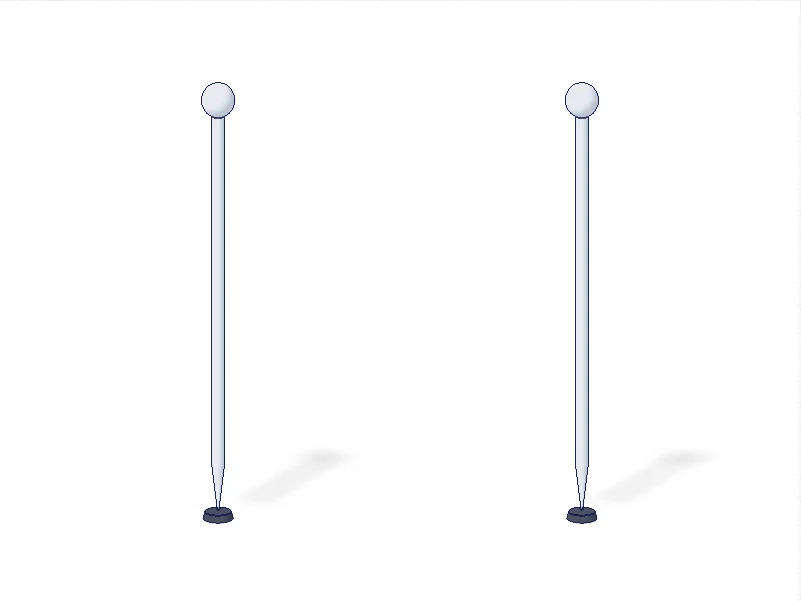 Optics pins and pin boardMark a ray’s path on paper: line up the pins and their images by eye.Physics
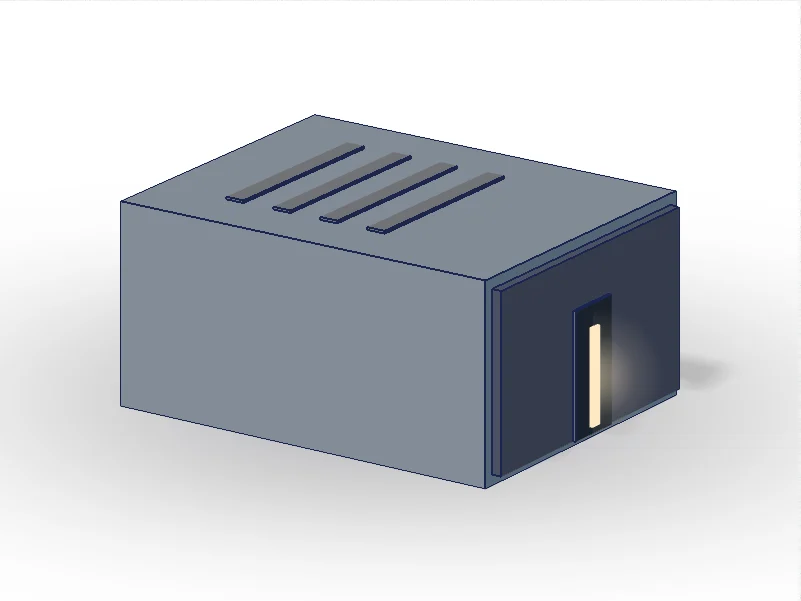 Ray boxA narrow ray of light to trace through mirrors, blocks and lenses.Physics
Build a circuit
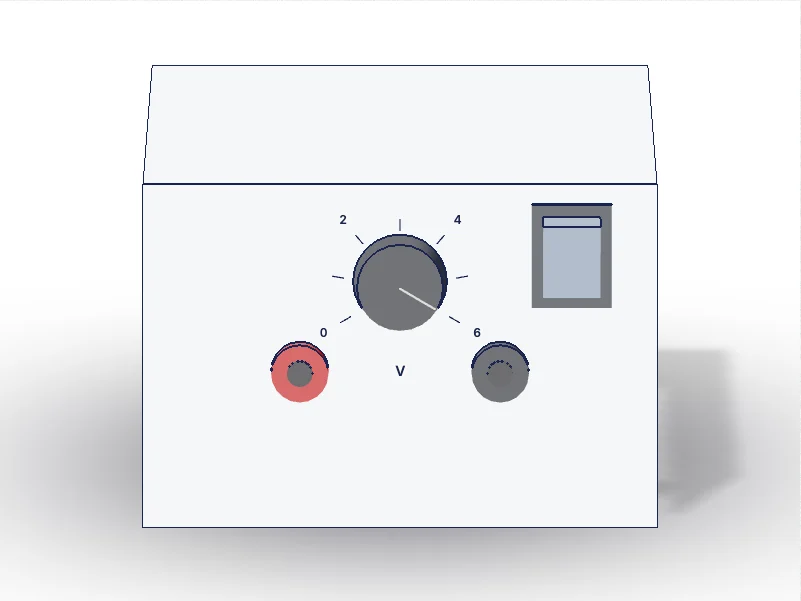 Cell and power supplyDrives current round a circuit; most dry cells give 1.5 V: check the label.Physics
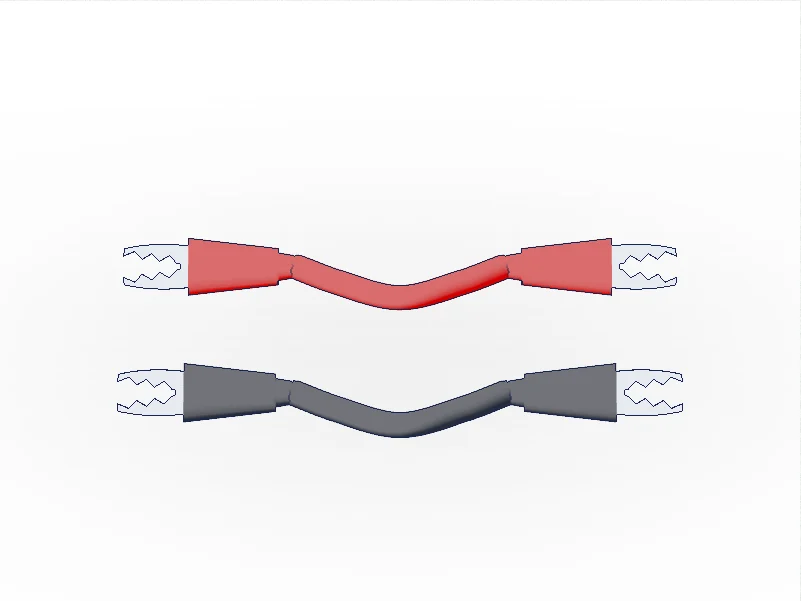 Leads and crocodile clipsJoin the parts of a circuit; crocodile clips grip wires and terminals.Physics
- Lamp, resistor and switchA lamp lights, a resistor limits current, a switch breaks the circuit.PhysicsExam guide
- Thermistor and LDRSensors: a thermistor’s resistance falls when hot, an LDR’s in light.Physics
- DiodeLets current flow one way only; it can turn a.c. into d.c.Physics
From the Practical Test apparatus lists of the Cambridge IGCSE Biology 0610, Chemistry 0620 and Physics 0625 syllabuses for 2026–2028, and the apparatus the experiments on this site use. Pictures are drawn from the site's own lab kit, or in ink where the kit has no model yet; your school's apparatus may look a little different.