Measure mass · Biology · Chemistry · Physics
Top-pan balance
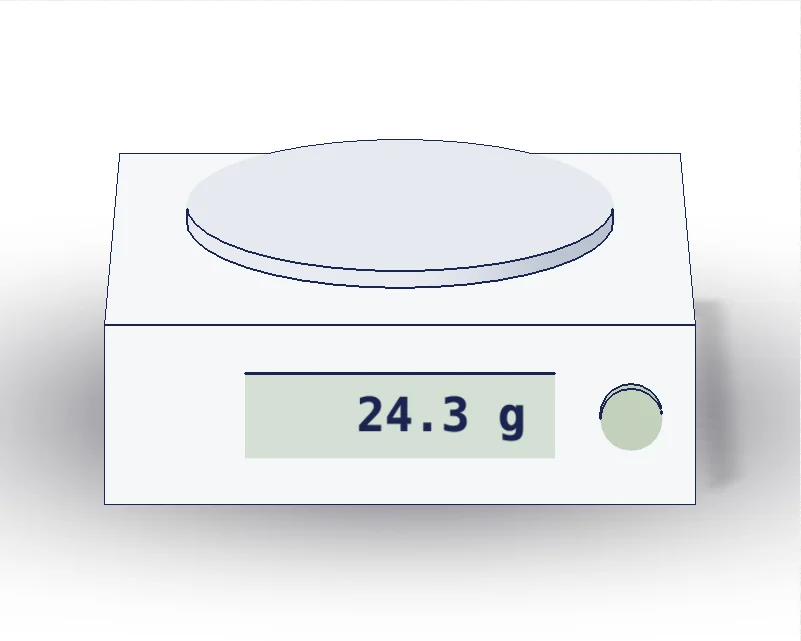
What it is for
A top-pan balance measures mass. Put the object on the pan and the display shows its mass in grams; the tare (zero) button sets the display to 0 with a container on the pan, so only what you add is weighed.
- Range
- up to 500 g (the Practical Test balance)
- Resolution
- 0.1 g (some balances show 0.01 g)
- Record to
- every figure shown, e.g. 24.3 g
Why choose it
For the mass of a solid, a liquid in a container, or a sample before and after heating or soaking, as with potato cylinders in osmosis. A 0.01 g balance shows smaller changes, which matters when the change is only a fraction of a gram.
How to read it
- Stand the balance on a firm, level bench, away from draughts.
- Put the empty container on the pan and press tare, so it reads 0.0 g.
- Add the substance and wait until the reading stops changing.
- Write down every figure on the display, with the unit: 24.3 g.
Exam-style question
A student heats blue copper(II) sulfate crystals in an evaporating basin until they turn white. The empty basin has a mass of 24.3 g, the basin and crystals 29.3 g, and the basin and white solid after heating 27.5 g.
- Calculate the mass of crystals used.
- Calculate the percentage by mass of water in the crystals.
- How can the student be sure all the water has gone?
Show what a good answer says
- 29.3 − 24.3 = 5.0 g.
- Water lost = 29.3 − 27.5 = 1.8 g; 1.8 ÷ 5.0 × 100 = 36%.
- Heat, cool and weigh again until two readings in a row are the same (heating to constant mass).
Teaching points for checking your own answer, not official Cambridge marks.
Common errors
- Forgetting to tare, so the reading includes the container.
- Reading while the number is still changing, or with the balance in a draught or on a sloping bench.
- Weighing something while it is still hot: rising warm air makes the reading unsteady and wrong.
- Rounding the display (24 g) or leaving out the unit: write every figure shown, 24.3 g.
Where you use it here
- Osmosis Biology
- Relative masses Chemistry
- The mole Chemistry
- Mass, weight and density Physics
- Melting, boiling and evaporation Physics
- Pressure Physics
- Specific heat capacity Physics
From the Practical Test apparatus lists of the Cambridge IGCSE Biology 0610, Chemistry 0620 and Physics 0625 syllabuses for 2026–2028, and the apparatus the experiments on this site use.
More in “Measuring instruments”
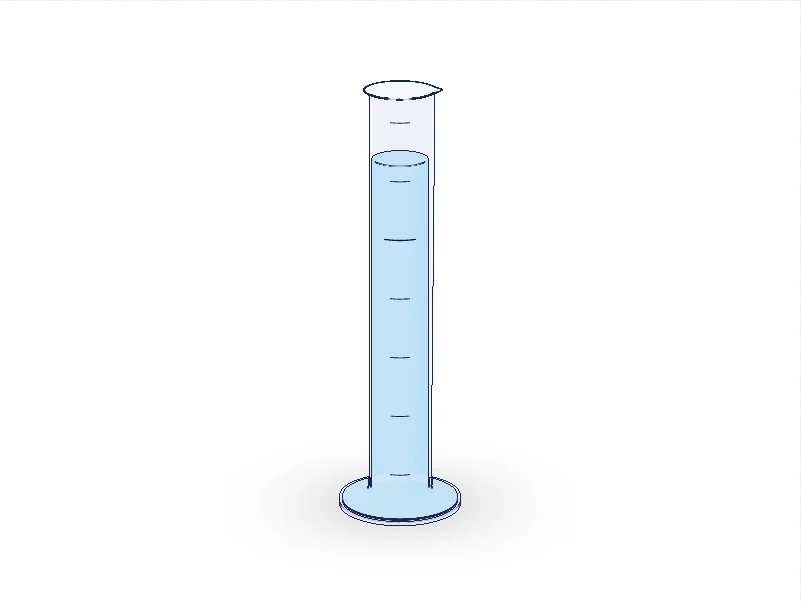 VolumeMeasuring cylinderLiquid volume to the nearest 1 cm³: quick, but rougher than a burette.Biology · Chemistry · PhysicsReading guide
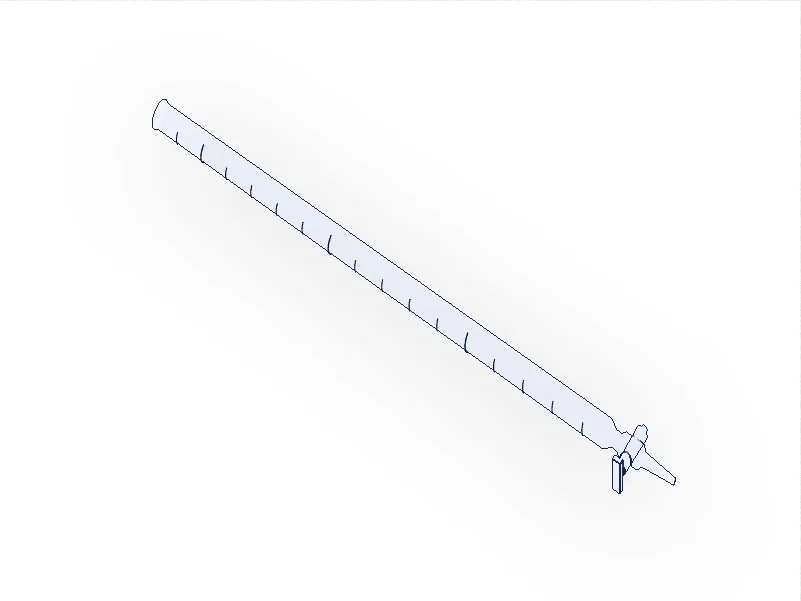 VolumeBuretteA volume you add drop by drop, to 0.05 cm³: the titration tool.ChemistryReading guide
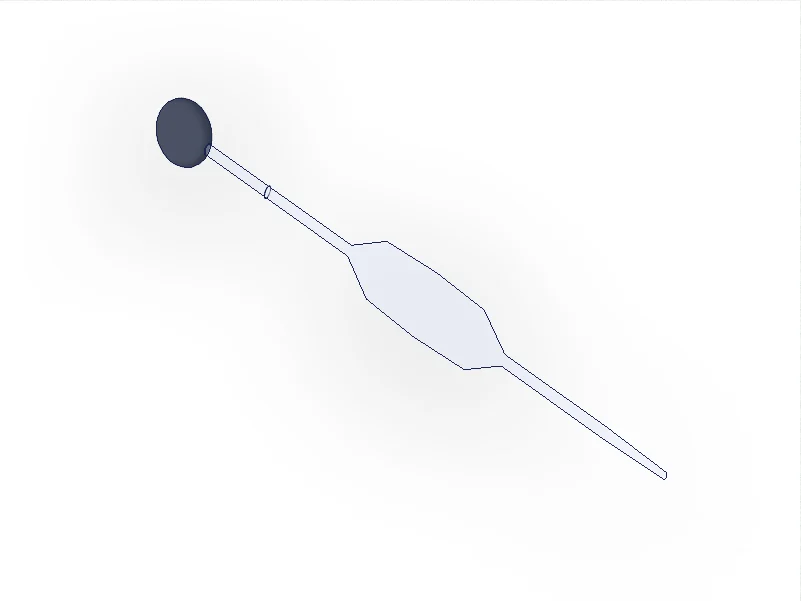 VolumeVolumetric pipetteExactly one volume of solution, such as 25.0 cm³, moved into a flask.ChemistryReading guide
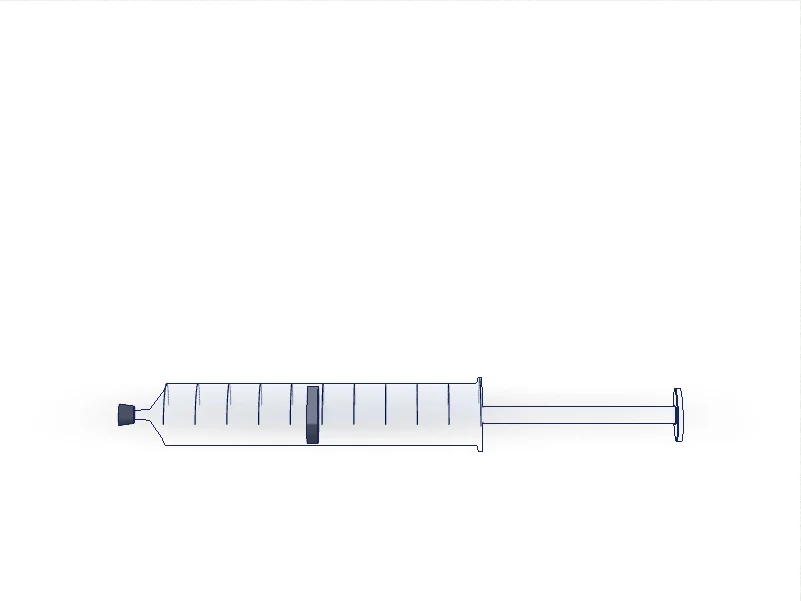 VolumeGas syringeCollects the gas from a reaction and measures its volume, up to 100 cm³.Biology · Chemistry · PhysicsReading guide
 TimeStop-watchTime in seconds; you start and stop it, so your reaction time limits it.Biology · Chemistry · PhysicsReading guide
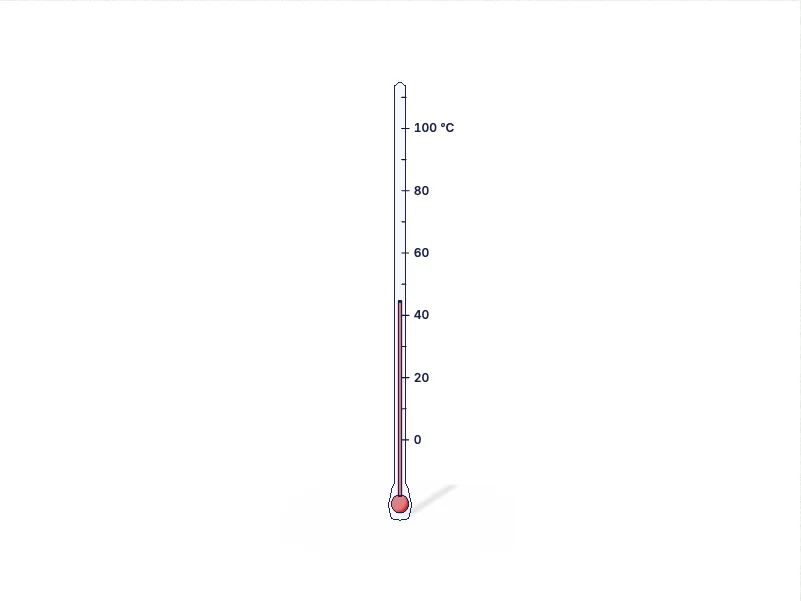 TemperatureThermometerTemperature from –10 °C to 110 °C, in 1 °C steps.Biology · Chemistry · PhysicsReading guide
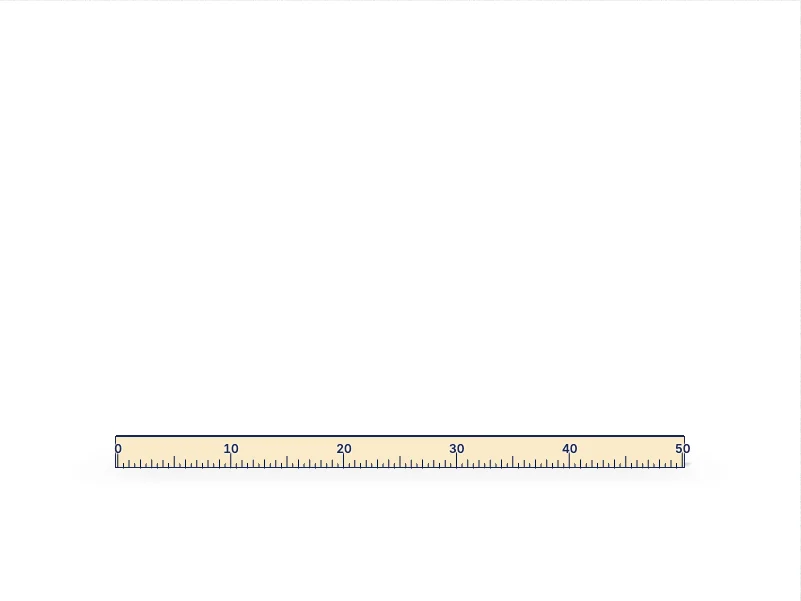 Length and angleRuler and metre ruleLength to the nearest millimetre: 30 cm ruler, half-metre or metre rule.Biology · PhysicsReading guide
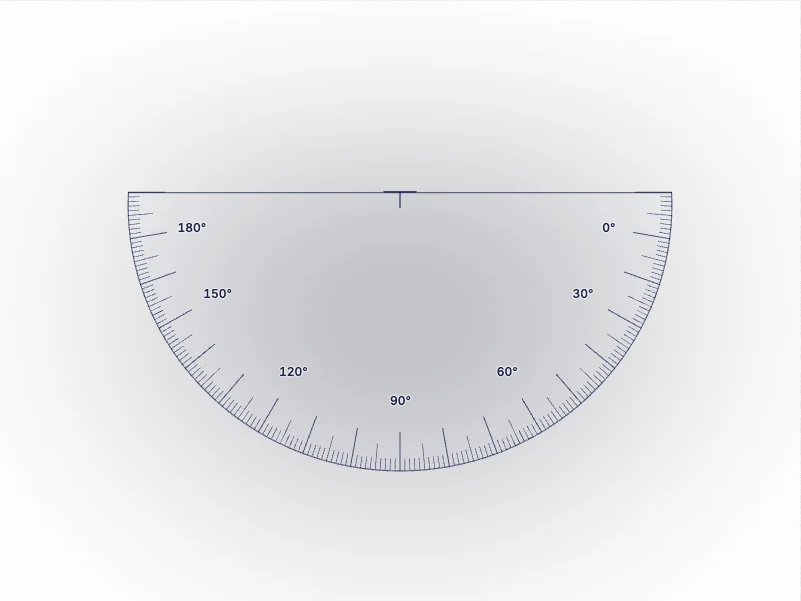 Length and angleProtractorAngles in degrees, 0° to 180°: rays and normals in light experiments.PhysicsReading guide
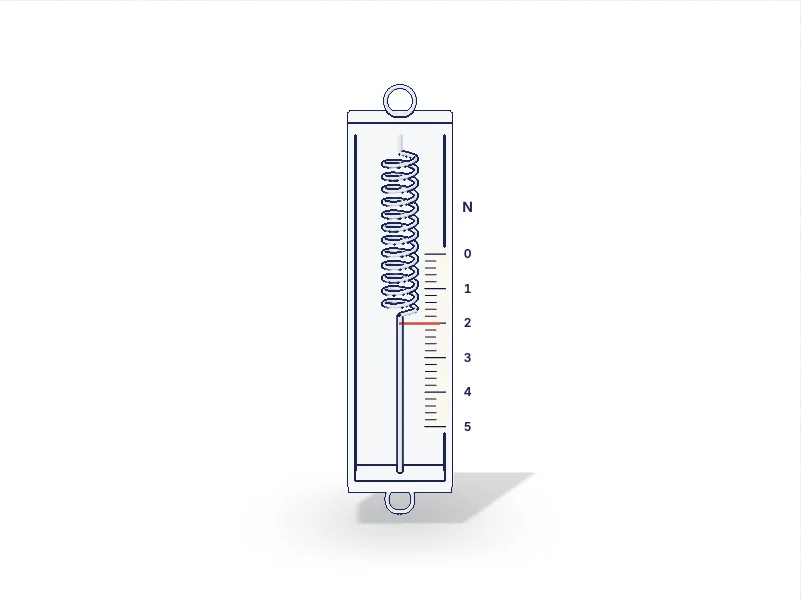 ForceForce meterForce or weight in newtons, from how far a spring stretches.PhysicsReading guide
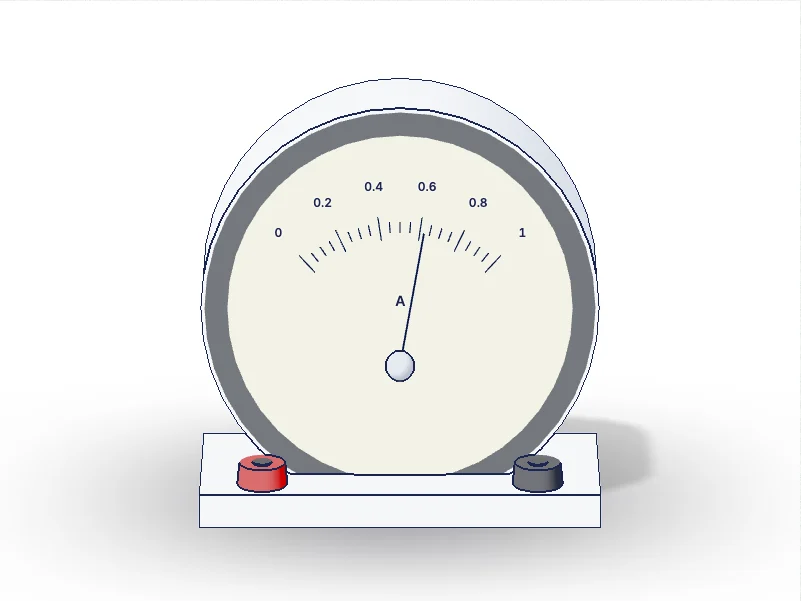 Current and voltageAmmeterCurrent in amperes; it goes in series, in the same loop as the component.PhysicsReading guide
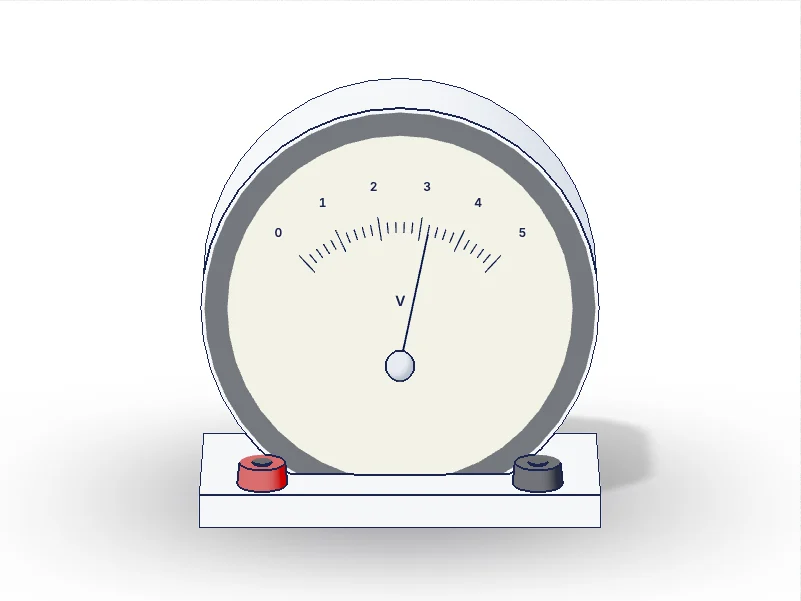 Current and voltageVoltmeterPotential difference in volts; it goes in parallel, across the component.PhysicsReading guide