Measure volume · Biology · Chemistry · Physics
Gas syringe
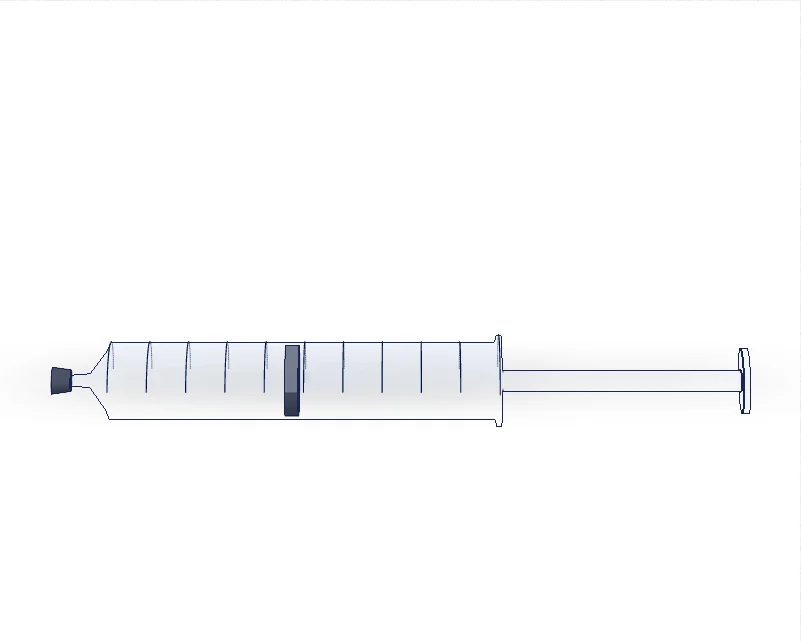
What it is for
A gas syringe collects a gas and measures its volume. The gas pushes the plunger out along a scale that starts at 0 at the nozzle; the volume is read at the end of the plunger inside the barrel.
- Capacity
- 100 cm³
- Smallest division
- 1 cm³
- Record to
- the nearest 1 cm³, 46 cm³, or, estimating between marks, half a division, 46.5 cm³; one precision in a table
Why choose it
For the volume of gas given off as a reaction goes on, such as hydrogen from magnesium and acid, read at set times. An upturned measuring cylinder over water also works, but a gas that dissolves in water, such as carbon dioxide, then gives too small a volume; the syringe needs no water. In physics, a sealed syringe joined to a pressure gauge holds a fixed mass of gas while you change its volume or temperature.
How to read it
- For gas from a reaction, push the plunger in to 0; for a sealed gas, start at the volume the experiment sets. Check it slides freely.
- Connect it with a tight bung and delivery tube, so no gas gets in or out.
- For a reaction, start the stop-watch as the reactants meet, put the bung in at once and read at set times.
- Read the mark level with the end of the plunger and write the unit: 46 cm³.
Exam-style question
A student adds magnesium ribbon to excess dilute hydrochloric acid and collects the hydrogen in a gas syringe. The syringe reads 24 cm³ after 30 s, 46 cm³ after 60 s and 60 cm³ after 90 s.
- Calculate the mean rate of gas production over the first 60 s.
- Why does less gas collect in each 30 s as the reaction goes on?
- Give one reason the volumes could all be too small.
Show what a good answer says
- 46 ÷ 60 = 0.77 cm³/s.
- 24, then 22, then 14 cm³: the magnesium is used up and the acid becomes less concentrated, so there are fewer collisions per second between acid particles and magnesium.
- Gas escapes before the bung is in or through a loose joint, or the plunger sticks and does not move out freely.
Teaching points for checking your own answer, not official Cambridge marks.
Common errors
- Collecting gas from a reaction without checking the plunger starts at 0, so every reading is out by the same amount (zero error).
- A loose bung or joint, so some gas escapes and every volume is too small.
- Reading at the wrong end of the plunger, or from an angle (parallax error).
- Using so much of a reactant that the gas pushes the plunger past 100 cm³, off the scale.
Where you use it here
- Respiration Biology
- Concentration, gas volumes and yield Chemistry
- Gases under pressure Chemistry
- Rates of reaction Chemistry
- Gas pressure and temperature Physics
From the Practical Test apparatus lists of the Cambridge IGCSE Biology 0610, Chemistry 0620 and Physics 0625 syllabuses for 2026–2028, and the apparatus the experiments on this site use.
More in “Measuring instruments”
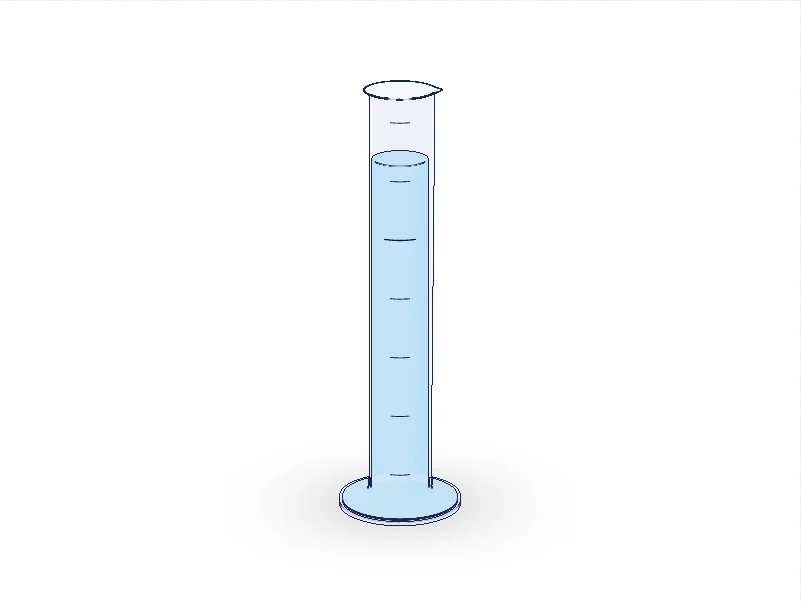 VolumeMeasuring cylinderLiquid volume to the nearest 1 cm³: quick, but rougher than a burette.Biology · Chemistry · PhysicsReading guide
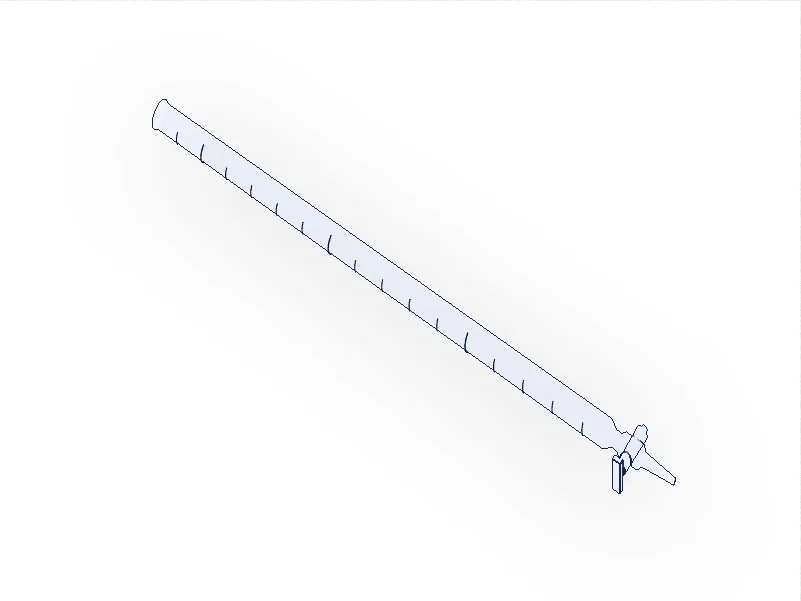 VolumeBuretteA volume you add drop by drop, to 0.05 cm³: the titration tool.ChemistryReading guide
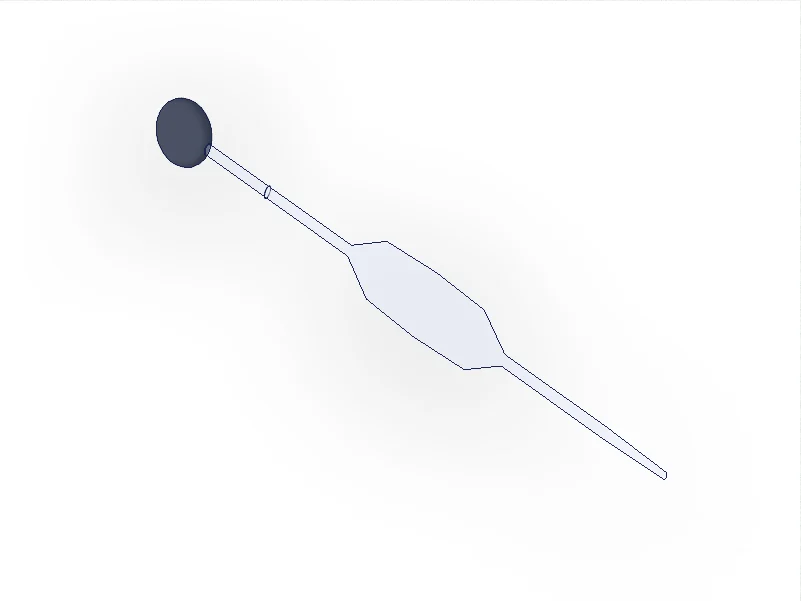 VolumeVolumetric pipetteExactly one volume of solution, such as 25.0 cm³, moved into a flask.ChemistryReading guide
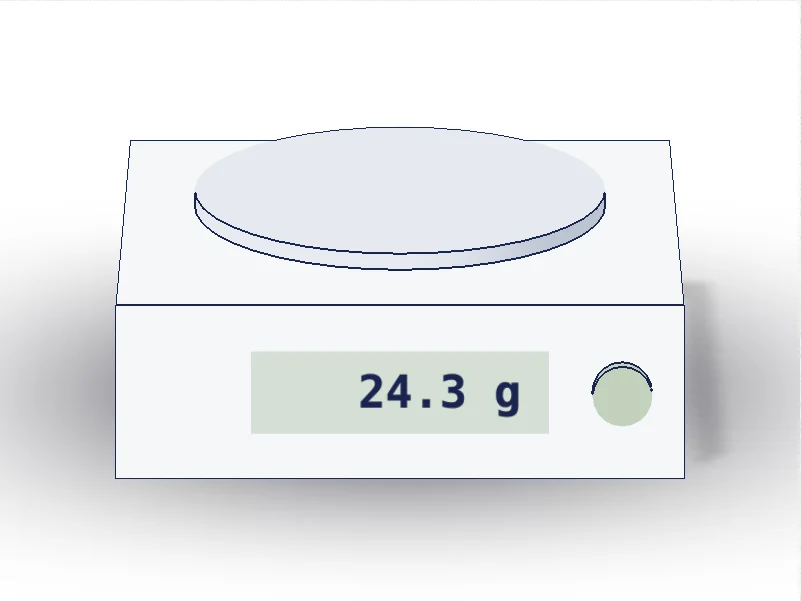 MassTop-pan balanceMass to 0.1 g on a digital display; tare it to weigh just the contents.Biology · Chemistry · PhysicsReading guide
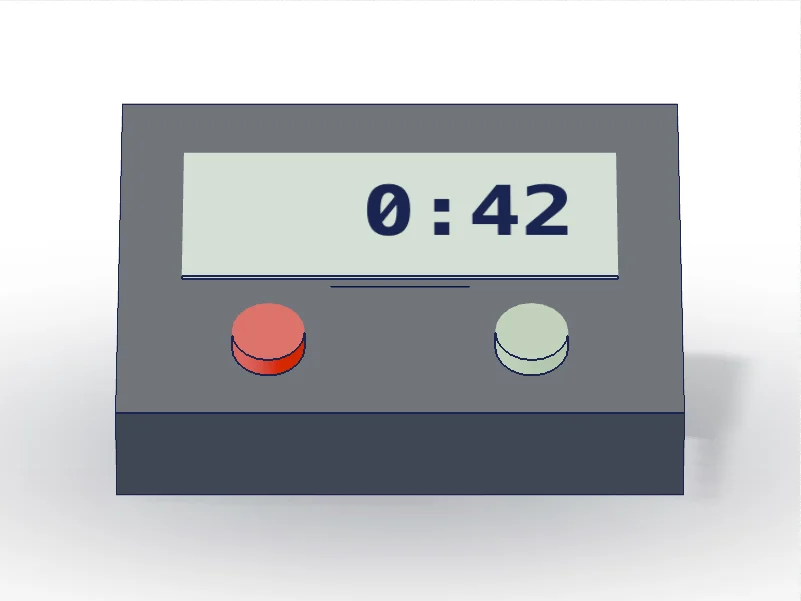 TimeStop-watchTime in seconds; you start and stop it, so your reaction time limits it.Biology · Chemistry · PhysicsReading guide
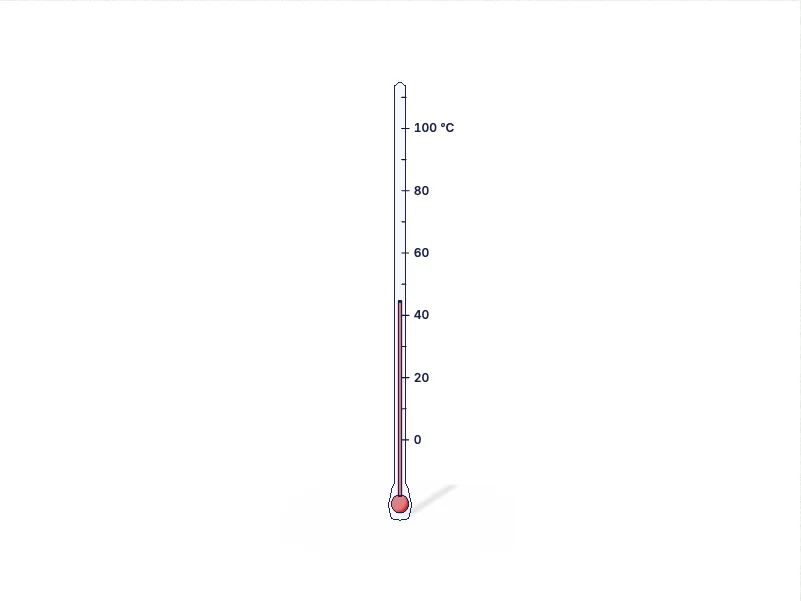 TemperatureThermometerTemperature from –10 °C to 110 °C, in 1 °C steps.Biology · Chemistry · PhysicsReading guide
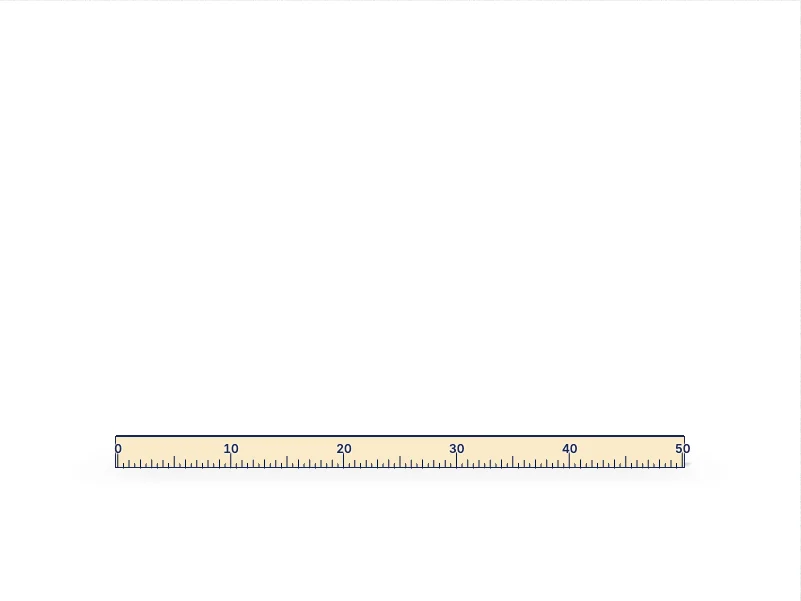 Length and angleRuler and metre ruleLength to the nearest millimetre: 30 cm ruler, half-metre or metre rule.Biology · PhysicsReading guide
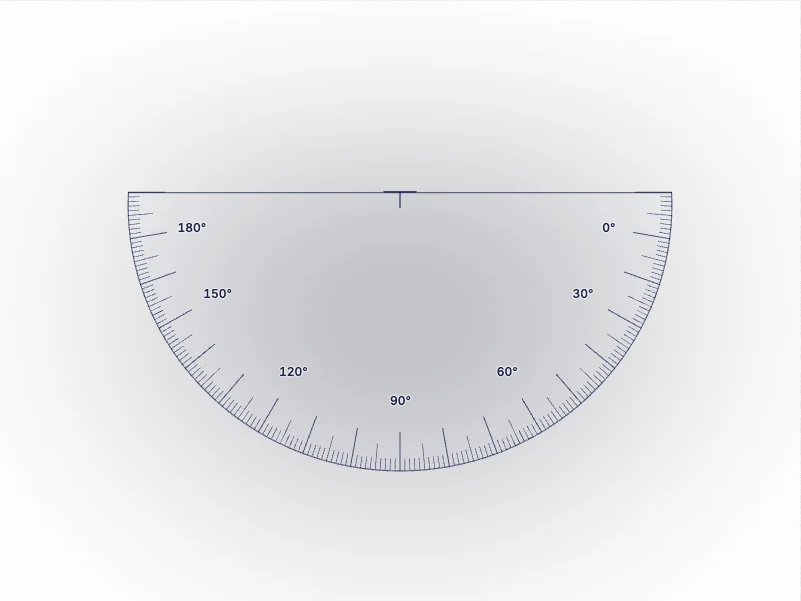 Length and angleProtractorAngles in degrees, 0° to 180°: rays and normals in light experiments.PhysicsReading guide
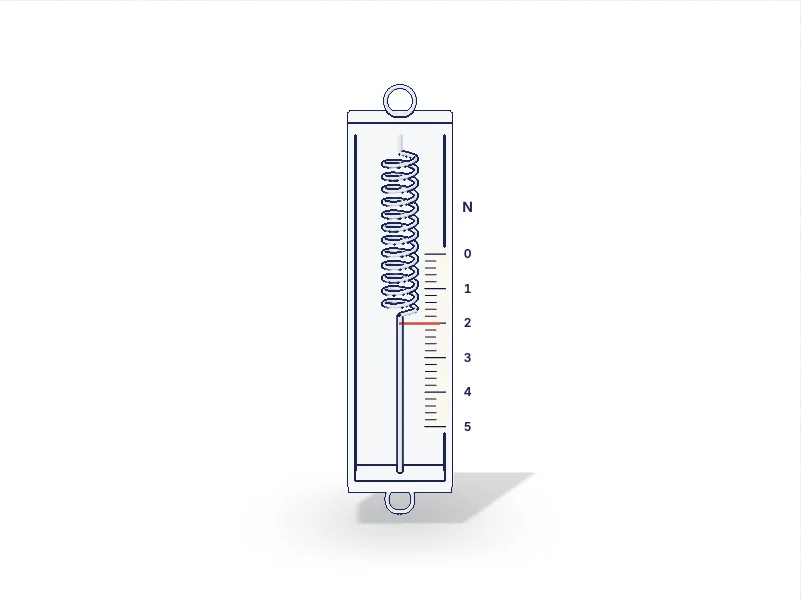 ForceForce meterForce or weight in newtons, from how far a spring stretches.PhysicsReading guide
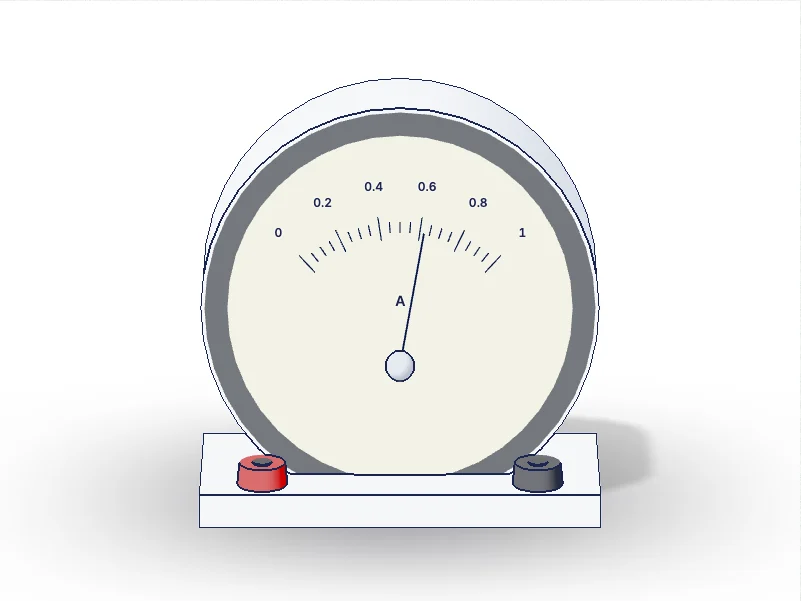 Current and voltageAmmeterCurrent in amperes; it goes in series, in the same loop as the component.PhysicsReading guide
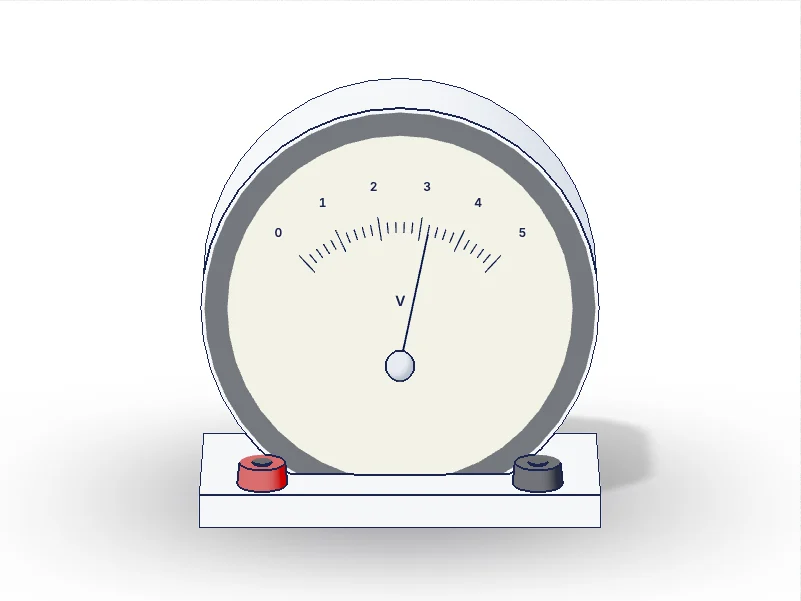 Current and voltageVoltmeterPotential difference in volts; it goes in parallel, across the component.PhysicsReading guide