Measure time · Biology · Chemistry · Physics
Stop-watch
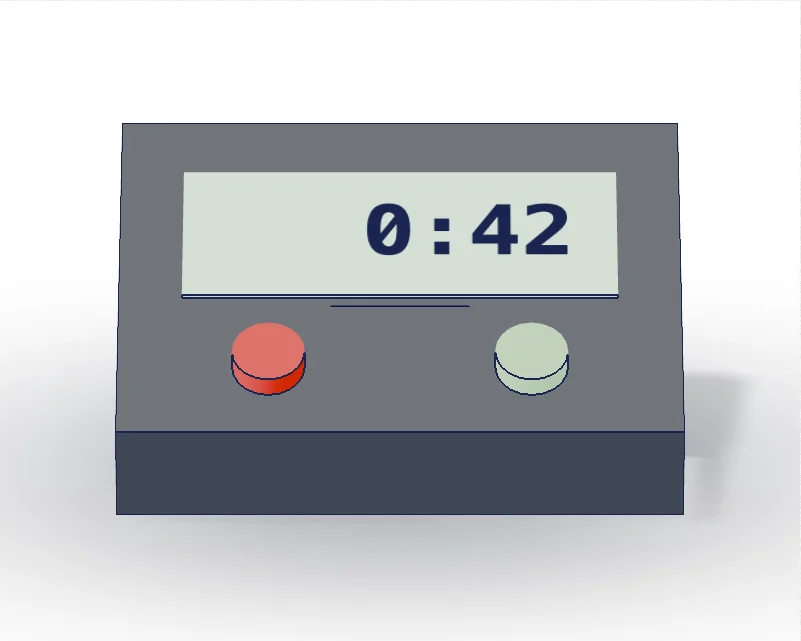
What it is for
A stop-watch measures a time interval: press start as the event begins and stop as it ends. A digital one shows minutes, seconds and hundredths of a second.
- Range
- 0 s to an hour or more
- Resolution
- 0.01 s on the display
- Record to
- what the display shows, e.g. 42.37 s, unless the question asks for less; one precision in a table
Why choose it
For timing anything you can see begin and end: a colour change, a reaction going cloudy, 20 swings of a pendulum. Each press adds a reaction time of about 0.2–0.3 s, so a light gate or data logger times short, fast events far more precisely; for a short swing, time 20 and divide by 20.
How to read it
- Reset it to 0.00 before you start.
- Watch the event, not the stop-watch, and press start the moment it begins.
- Press stop the moment it ends; for a short swing, time 20 and divide.
- Write down the time shown, with the unit: 42.37 s.
Exam-style question
A student times 20 complete swings of a pendulum. The stop-watch shows 28.43 s.
- How certain is this time?
- Calculate the period of the pendulum.
- Why time 20 swings rather than one?
Show what a good answer says
- Record 28.43 s as shown, but each press adds a reaction time of about 0.2 s, so the true time could be a few tenths of a second different.
- Period = 28.43 ÷ 20 = 1.42 s.
- The reaction-time error is about the same for one swing or twenty, so shared over 20 swings it is twenty times smaller for each swing.
Teaching points for checking your own answer, not official Cambridge marks.
Common errors
- Watching the stop-watch instead of the event, so you press late.
- Trusting the hundredths: the display shows 0.01 s, but your reaction time of about 0.2 s makes one timing far less certain, so repeat it and take a mean.
- Timing one short swing or event, so the reaction-time error is large compared with the time.
- Saying one as you press start, so only 19 swings are timed: start the count at zero.
Where you use it here
- Chemical digestion Biology
- Diffusion and active transport Biology
- Enzymes Biology
- Exercise and heart health Biology
- Gas exchange and breathing Biology
- Limits on photosynthesis Biology
- Osmosis Biology
- Respiration Biology
- The gut and physical digestion Biology
- Transpiration Biology
- Xylem, phloem and water uptake Biology
- Rates of reaction Chemistry
- States and changes of state Chemistry
- Acceleration, falling and drag Physics
- Conduction and convection Physics
- Light and the electromagnetic spectrum Physics
- Measuring and the pendulum Physics
- The particle model Physics
From the Practical Test apparatus lists of the Cambridge IGCSE Biology 0610, Chemistry 0620 and Physics 0625 syllabuses for 2026–2028, and the apparatus the experiments on this site use.
More in “Measuring instruments”
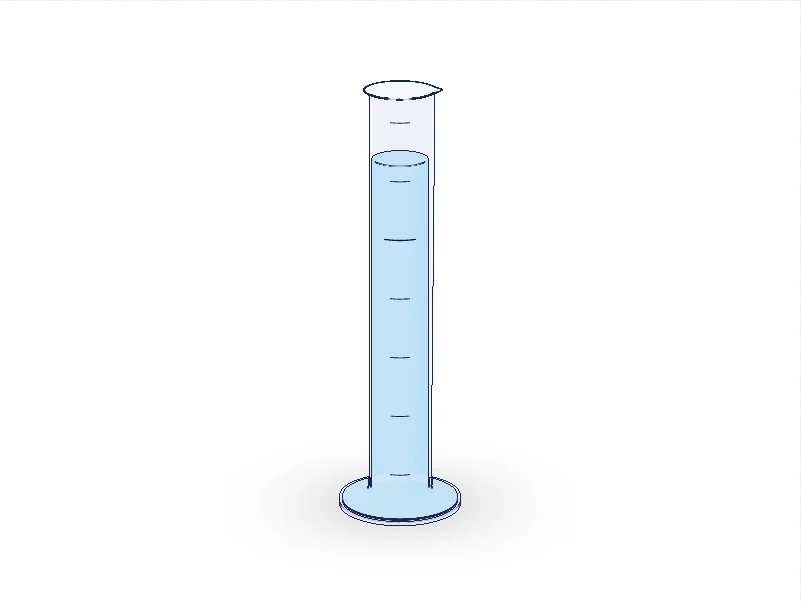 VolumeMeasuring cylinderLiquid volume to the nearest 1 cm³: quick, but rougher than a burette.Biology · Chemistry · PhysicsReading guide
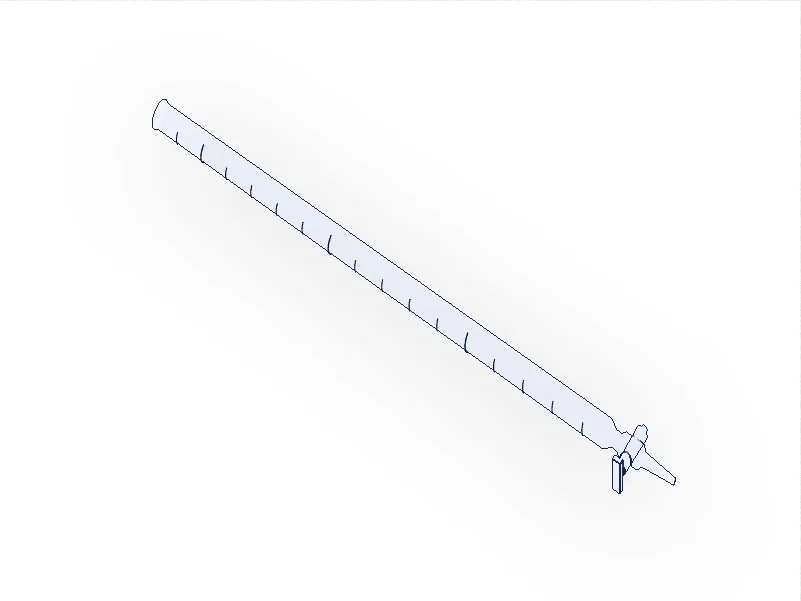 VolumeBuretteA volume you add drop by drop, to 0.05 cm³: the titration tool.ChemistryReading guide
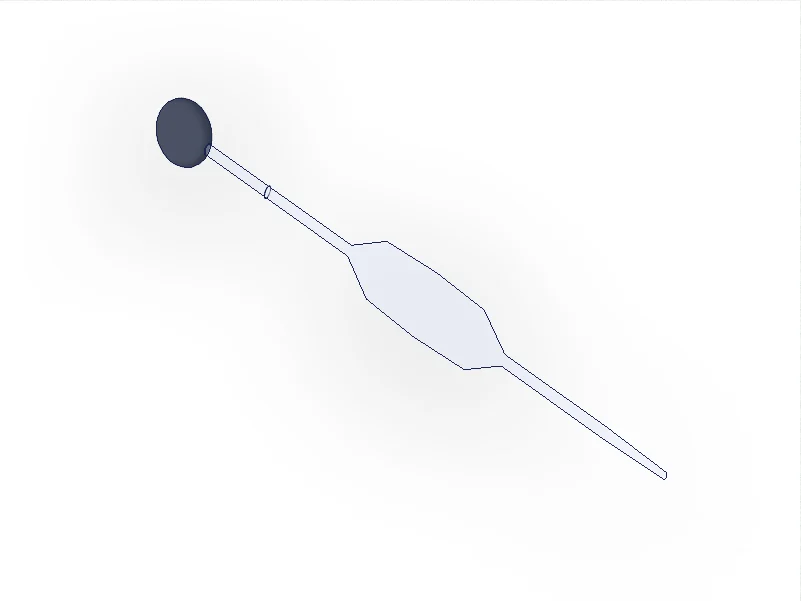 VolumeVolumetric pipetteExactly one volume of solution, such as 25.0 cm³, moved into a flask.ChemistryReading guide
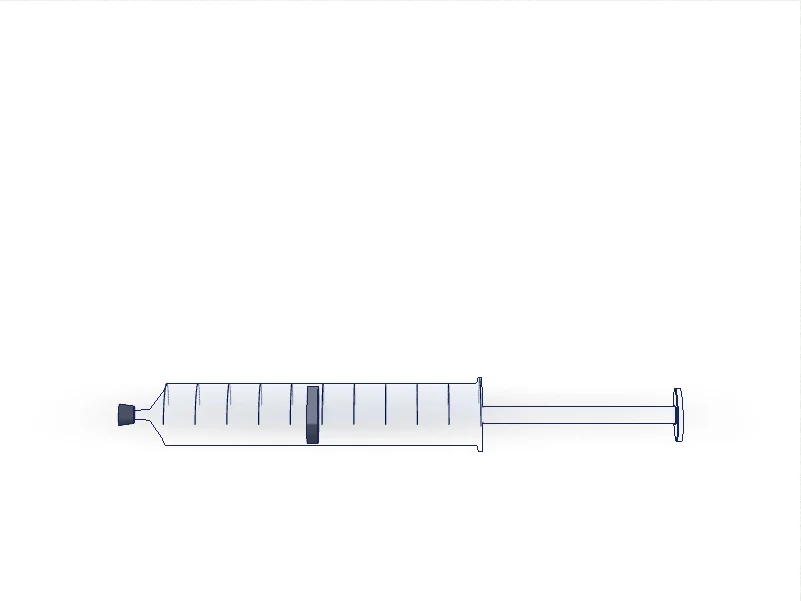 VolumeGas syringeCollects the gas from a reaction and measures its volume, up to 100 cm³.Biology · Chemistry · PhysicsReading guide
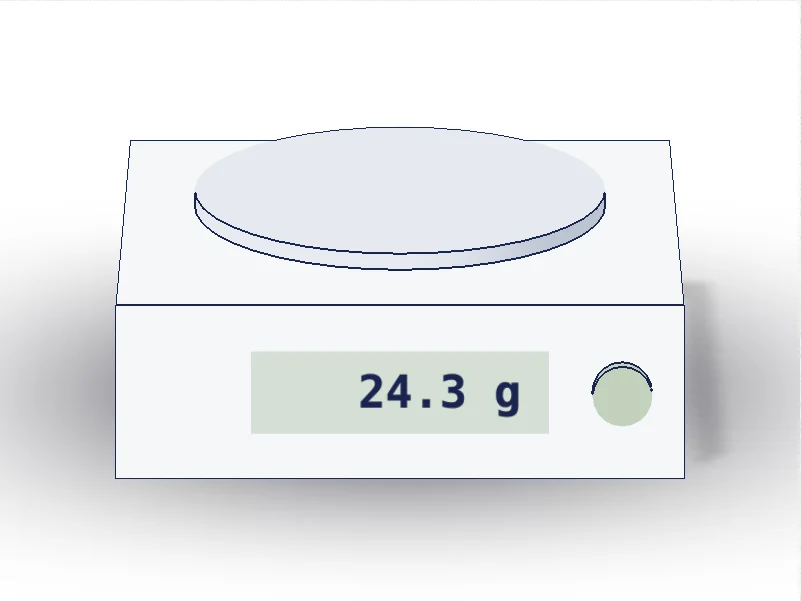 MassTop-pan balanceMass to 0.1 g on a digital display; tare it to weigh just the contents.Biology · Chemistry · PhysicsReading guide
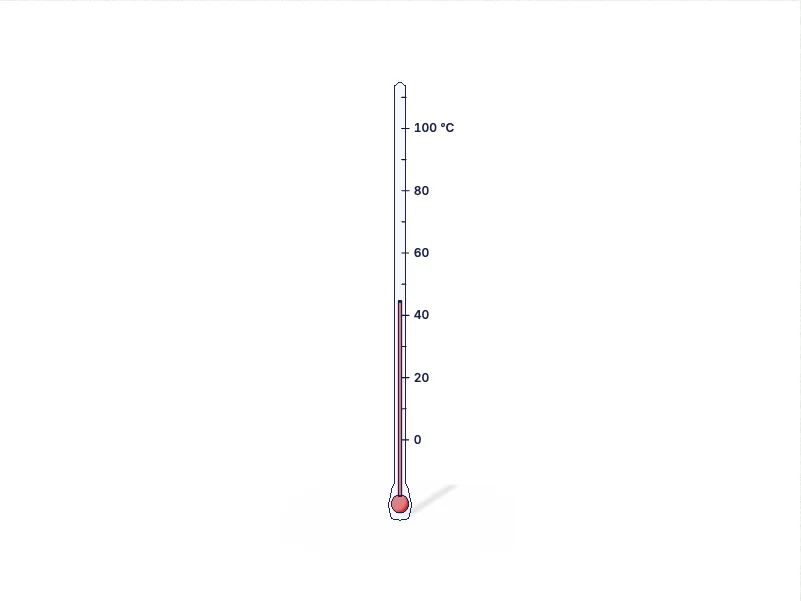 TemperatureThermometerTemperature from –10 °C to 110 °C, in 1 °C steps.Biology · Chemistry · PhysicsReading guide
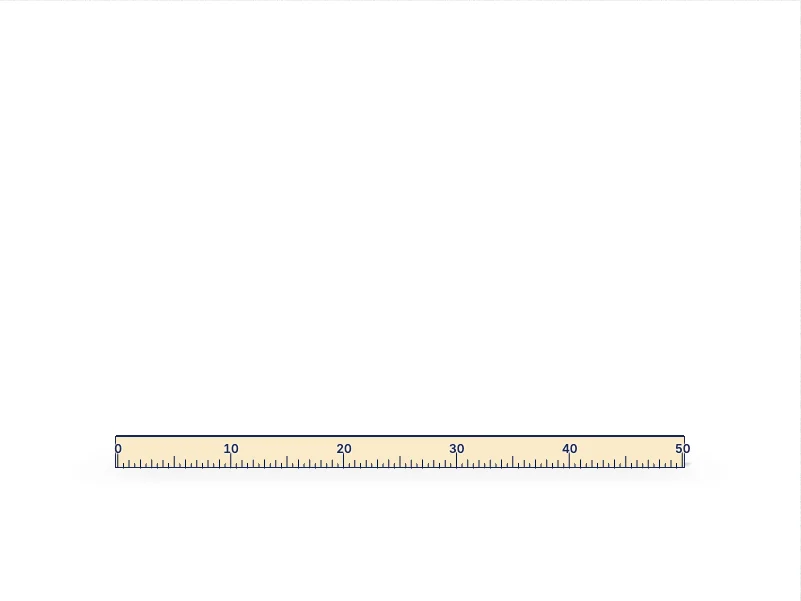 Length and angleRuler and metre ruleLength to the nearest millimetre: 30 cm ruler, half-metre or metre rule.Biology · PhysicsReading guide
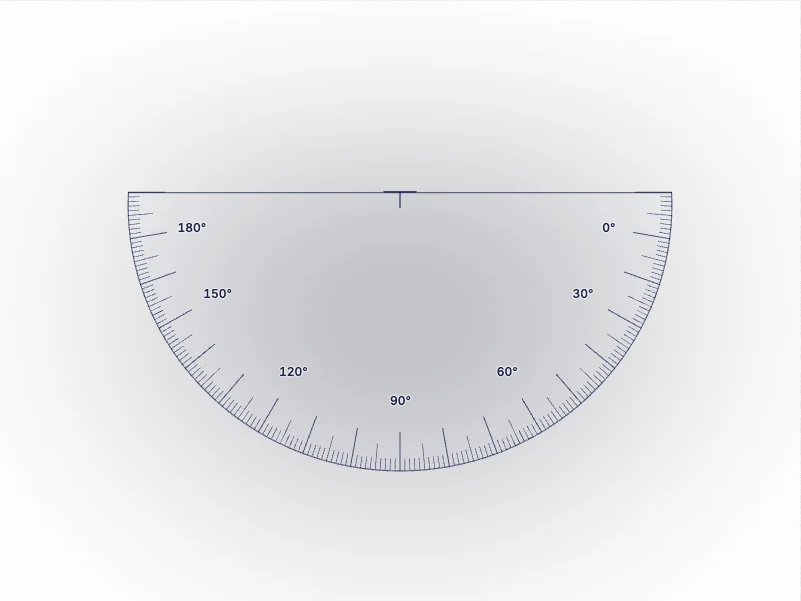 Length and angleProtractorAngles in degrees, 0° to 180°: rays and normals in light experiments.PhysicsReading guide
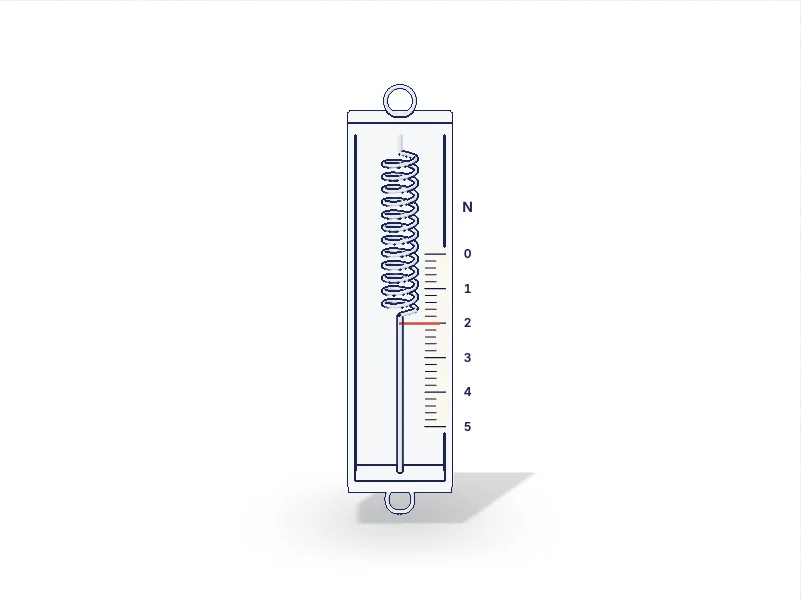 ForceForce meterForce or weight in newtons, from how far a spring stretches.PhysicsReading guide
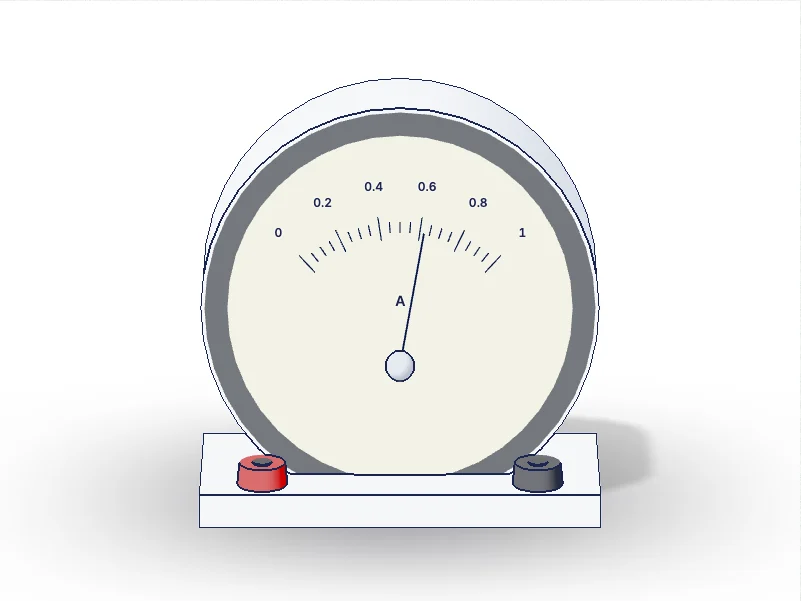 Current and voltageAmmeterCurrent in amperes; it goes in series, in the same loop as the component.PhysicsReading guide
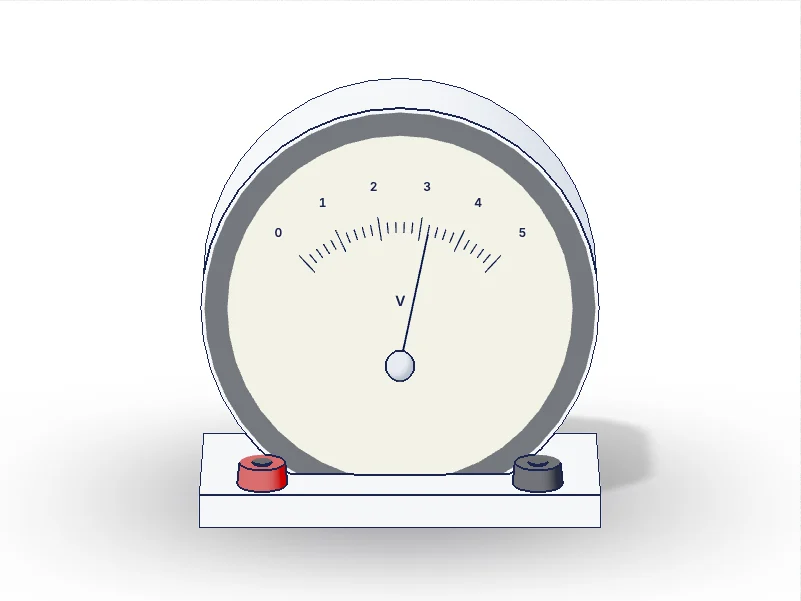 Current and voltageVoltmeterPotential difference in volts; it goes in parallel, across the component.PhysicsReading guide