Measure volume · Chemistry
Volumetric pipette
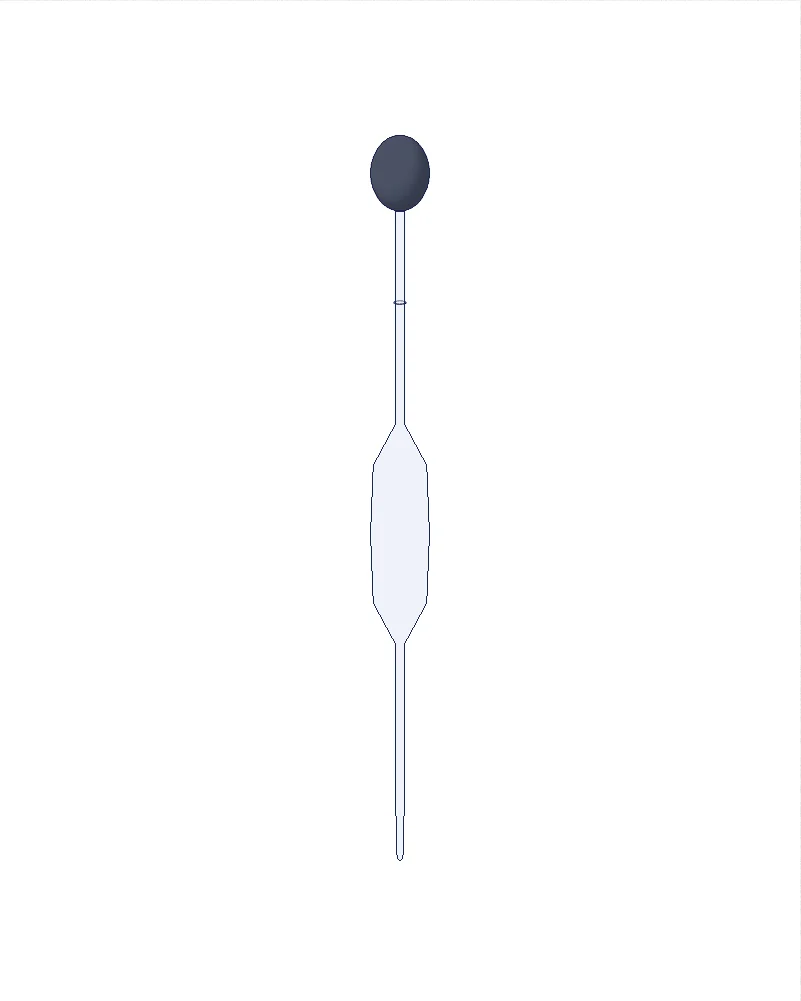
What it is for
A volumetric pipette measures one fixed volume of a solution very precisely. A pipette filler draws the liquid up until the bottom of the meniscus sits on the single line on its stem; then it is let out into the flask.
- Capacity
- one fixed volume: 25.0 cm³ in the Practical Test
- Smallest division
- none: a single line on the stem
- Record to
- one decimal place, e.g. 25.0 cm³
Why choose it
For putting an exact volume of one solution into a conical flask, as at the start of a titration. A measuring cylinder is quicker but reads only to about 1 cm³; a burette gives any volume, so it is used for the solution you add.
How to read it
- Fit a pipette filler to the top; never suck by mouth.
- Draw the solution up a little above the line, then let it out slowly.
- Stop when the bottom of the meniscus sits on the line, your eye level with it.
- Let it drain into the flask, touch the tip on the glass, leave the last drop and record: 25.0 cm³.
Exam-style question
A student uses a volumetric pipette to put 25.0 cm³ of 0.100 mol/dm³ sodium hydroxide solution into a conical flask. The mean titre of hydrochloric acid that neutralises it is 20.00 cm³ (NaOH + HCl → NaCl + H₂O).
- Calculate the number of moles of sodium hydroxide in the flask.
- Calculate the concentration of the hydrochloric acid.
- Why is a pipette used for the alkali, not a measuring cylinder?
Show what a good answer says
- 25.0 ÷ 1000 × 0.100 = 0.00250 mol.
- They react 1 : 1, so 0.00250 mol of HCl is in 20.00 cm³: 0.00250 ÷ 0.02000 = 0.125 mol/dm³.
- The pipette delivers 25.0 cm³ to within a small fraction of 1 cm³; a measuring cylinder is only good to about 1 cm³, so the moles of alkali, and the answer, would be far less certain.
Teaching points for checking your own answer, not official Cambridge marks.
Common errors
- Sucking the solution up by mouth instead of using a pipette filler: it is unsafe and can contaminate the solution.
- Stopping with the meniscus above or below the line, or judging it with your eye not level with the line (parallax error).
- Blowing out the last drop in the tip: the pipette is made to deliver 25.0 cm³ with that drop left in.
- Not rinsing the pipette with the solution first, so water left inside dilutes it.
Where you use it here
No experiment on the site uses it yet; more are on the way.
From the Practical Test apparatus lists of the Cambridge IGCSE Biology 0610, Chemistry 0620 and Physics 0625 syllabuses for 2026–2028, and the apparatus the experiments on this site use.
More in “Measuring instruments”
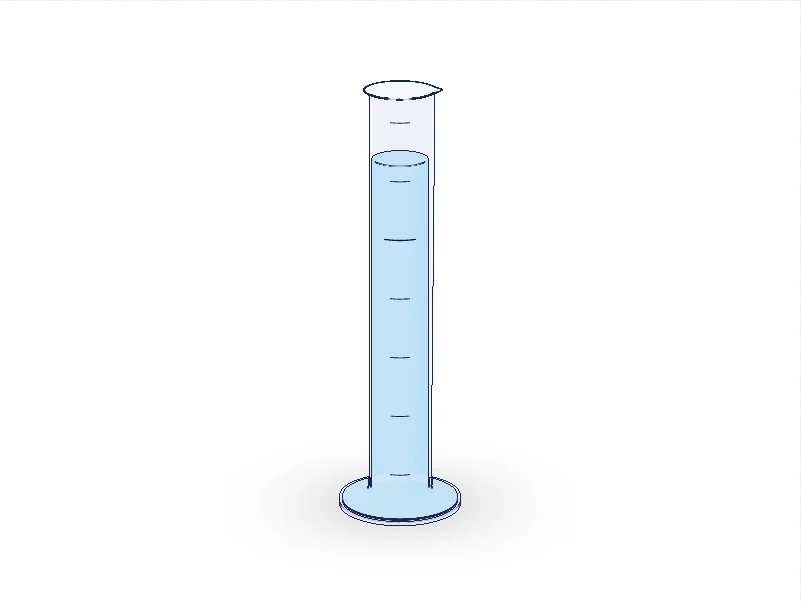 VolumeMeasuring cylinderLiquid volume to the nearest 1 cm³: quick, but rougher than a burette.Biology · Chemistry · PhysicsReading guide
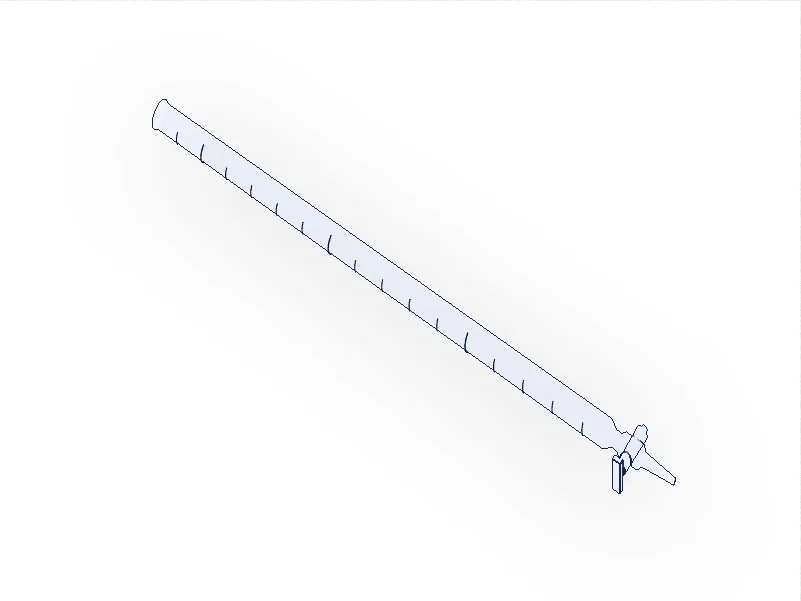 VolumeBuretteA volume you add drop by drop, to 0.05 cm³: the titration tool.ChemistryReading guide
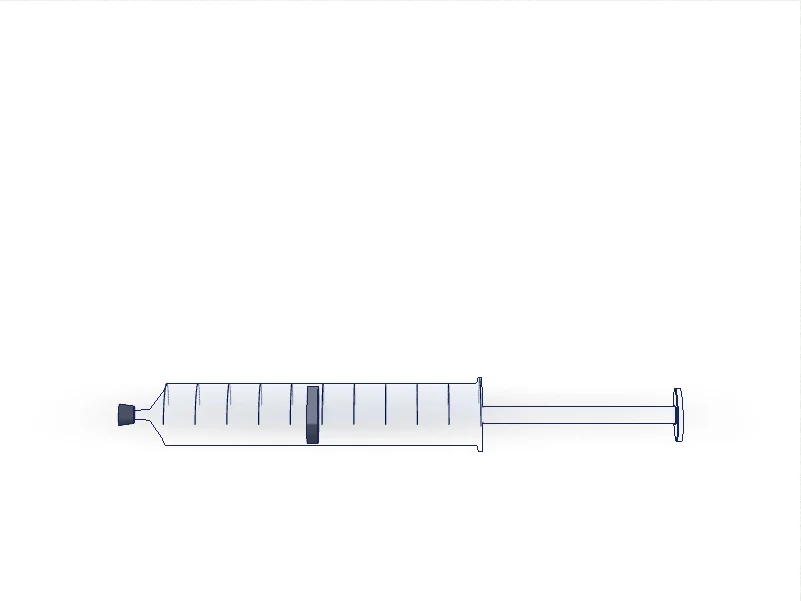 VolumeGas syringeCollects the gas from a reaction and measures its volume, up to 100 cm³.Biology · Chemistry · PhysicsReading guide
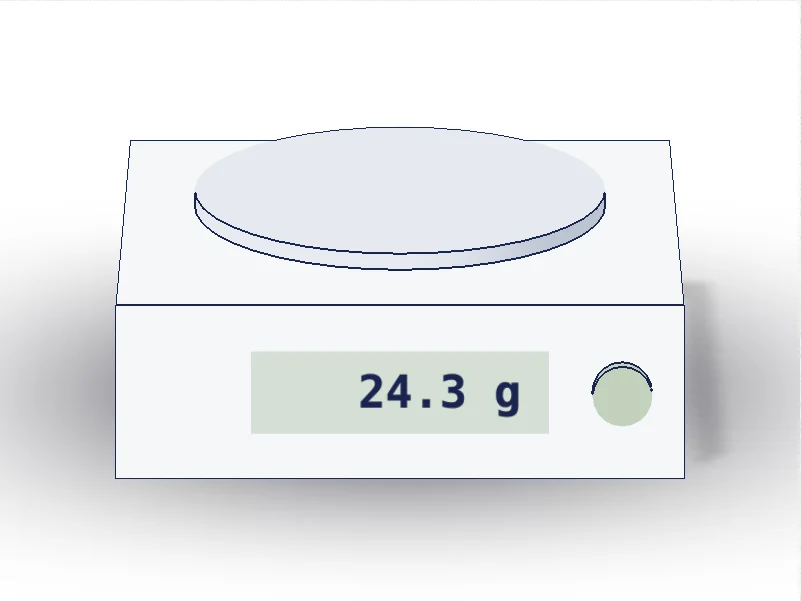 MassTop-pan balanceMass to 0.1 g on a digital display; tare it to weigh just the contents.Biology · Chemistry · PhysicsReading guide
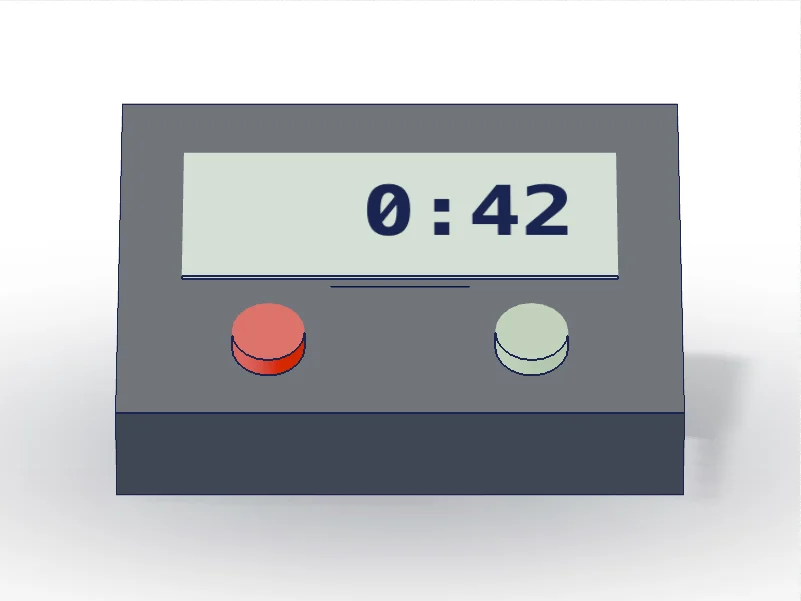 TimeStop-watchTime in seconds; you start and stop it, so your reaction time limits it.Biology · Chemistry · PhysicsReading guide
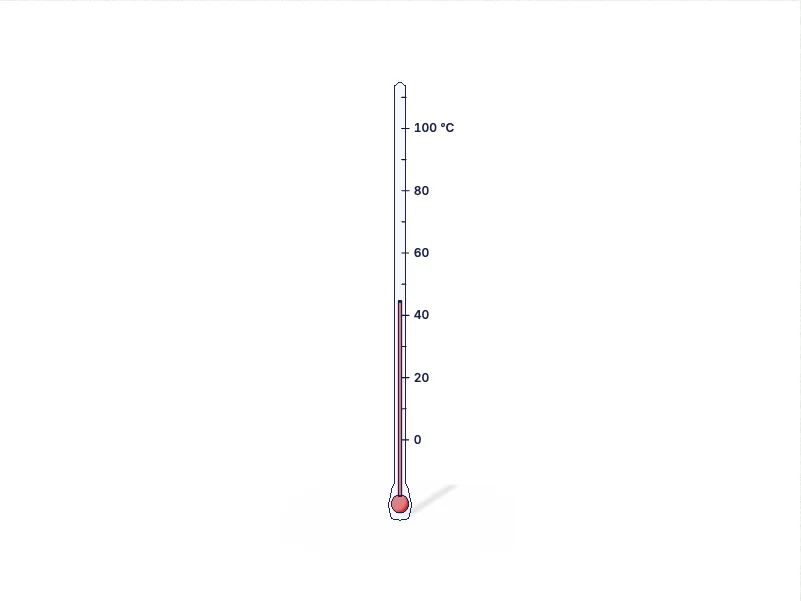 TemperatureThermometerTemperature from –10 °C to 110 °C, in 1 °C steps.Biology · Chemistry · PhysicsReading guide
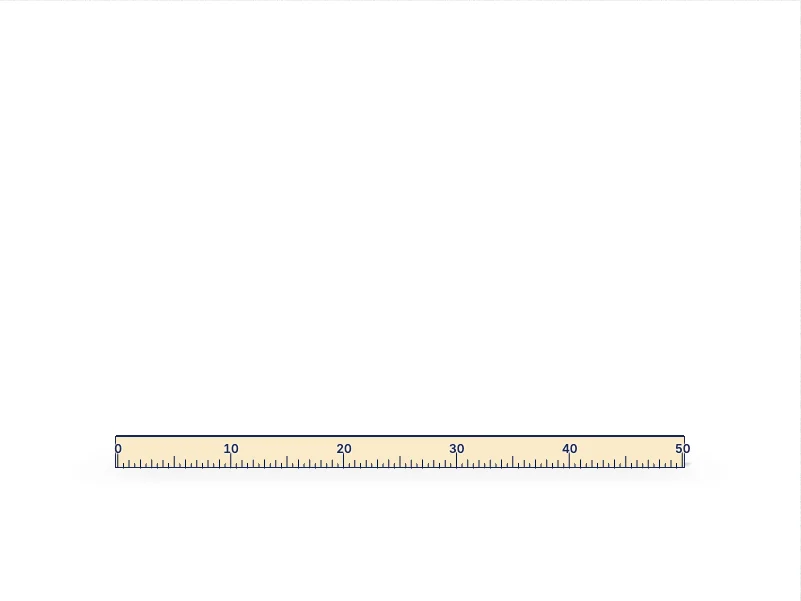 Length and angleRuler and metre ruleLength to the nearest millimetre: 30 cm ruler, half-metre or metre rule.Biology · PhysicsReading guide
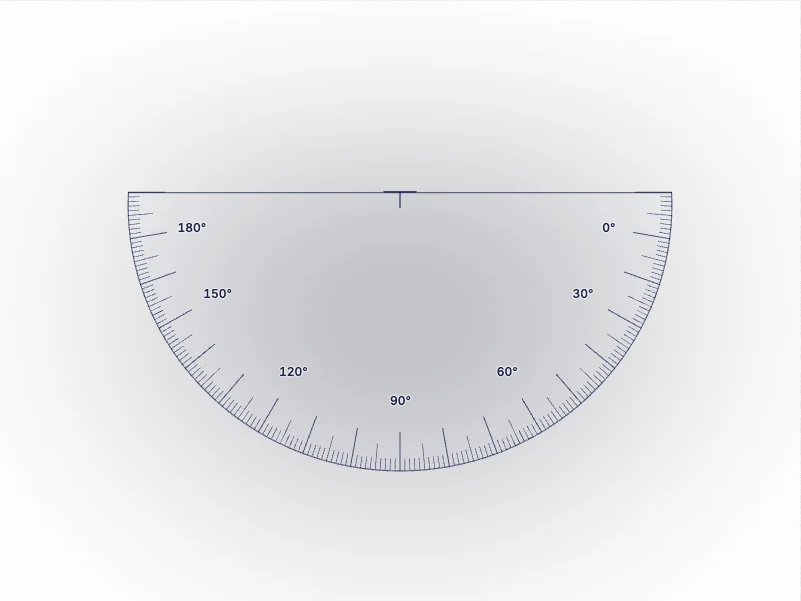 Length and angleProtractorAngles in degrees, 0° to 180°: rays and normals in light experiments.PhysicsReading guide
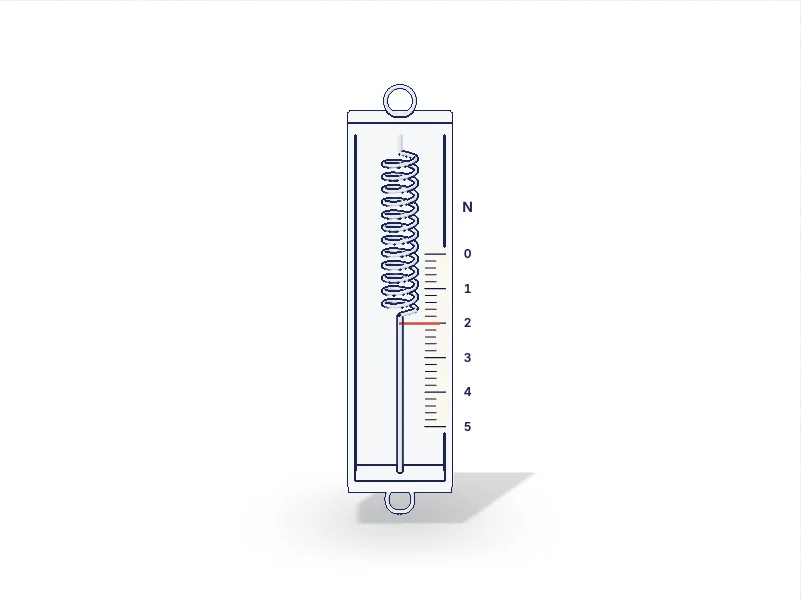 ForceForce meterForce or weight in newtons, from how far a spring stretches.PhysicsReading guide
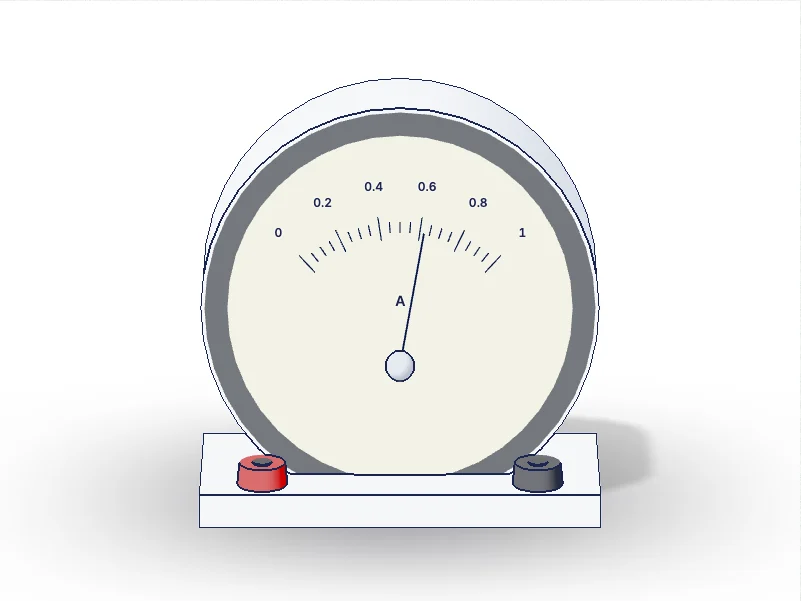 Current and voltageAmmeterCurrent in amperes; it goes in series, in the same loop as the component.PhysicsReading guide
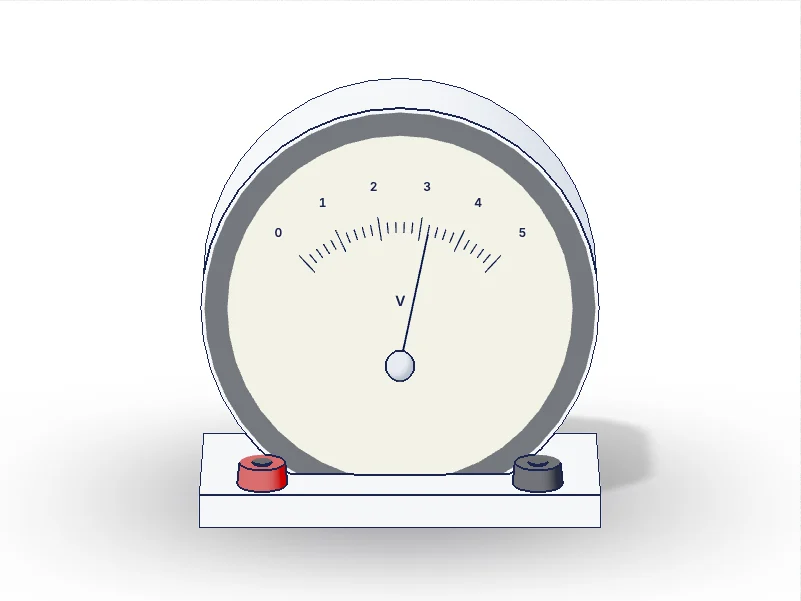 Current and voltageVoltmeterPotential difference in volts; it goes in parallel, across the component.PhysicsReading guide