Separate · Chemistry
Evaporating basin
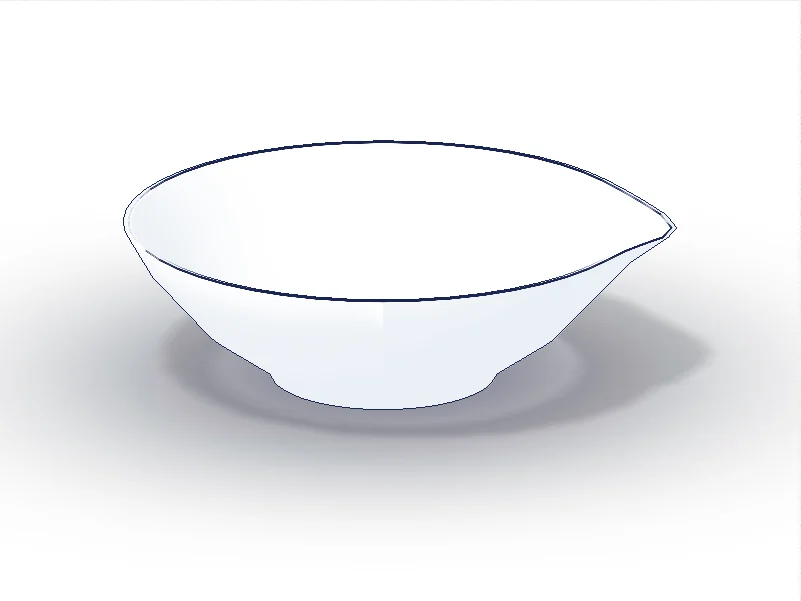
What it is for
A shallow dish for evaporating water from a solution to leave a solid.
Mistake to avoid Heating to dryness when you want crystals: stop when a drop on a cold glass rod forms crystals, then leave it to cool.
How it is asked
- Describe crystallisation: heat the solution in an evaporating basin to evaporate some of the water, then leave it to cool so crystals form.
- Say when to stop heating: when a drop cooled on a glass rod forms crystals, the solution will crystallise as it cools.
- Explain why you stop before dryness: hydrated crystals lose their water when heated, and the hot solid can spit.
Exam-style question
A student makes crystals of hydrated copper(II) sulfate from its solution, heating it in an evaporating basin.
- How does the student know when to stop heating?
- Why should the solution not be heated to dryness?
- The solution is left to cool. How does the student get dry crystals?
Show what a good answer says
- When a drop of the solution, cooled on a glass rod, forms crystals: the solution is then concentrated enough to crystallise as it cools.
- The crystals would lose the water that is part of them, leaving a white powder instead of blue crystals; the hot solid can also spit.
- Filter off the crystals, then pat them dry between sheets of filter paper.
Teaching points for checking your own answer, not official Cambridge marks.
More in “Separate”
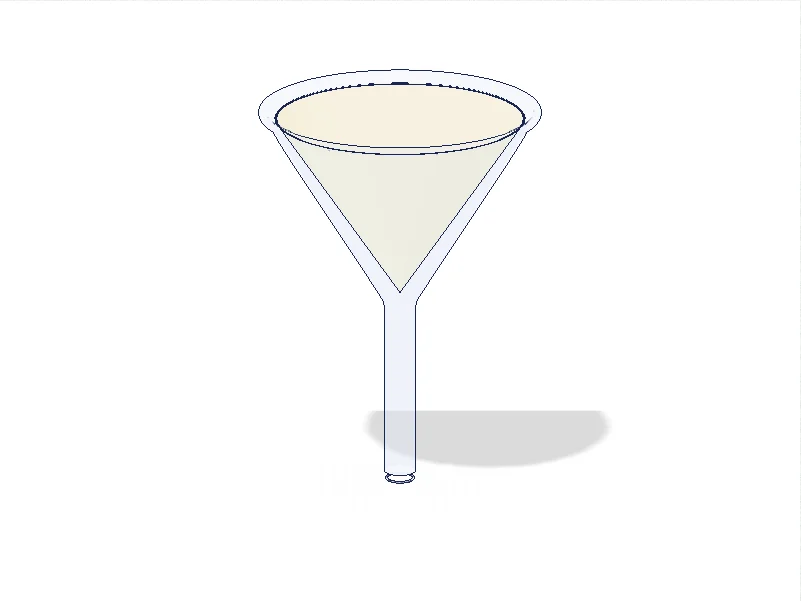 Filter funnel and paperSeparates an insoluble solid (residue) from a liquid (filtrate).Biology · ChemistryExam guide
- CondenserCools a vapour back to a liquid; cold water flows through its jacket.ChemistryExam guide
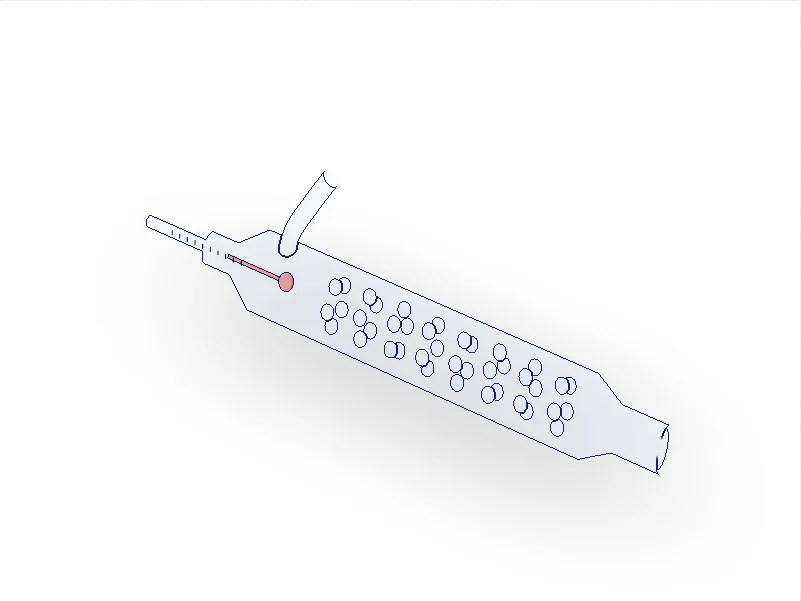 Fractionating columnSeparates liquids that mix, by their boiling points, above the flask.ChemistryExam guide
- Chromatography paperPaper on which a solvent separates the substances in a mixture.ChemistryExam guide