Light · Physics
Plane mirror
What it is for
Reflects rays; the image is as far behind as the object is in front.
Mistake to avoid Not putting the reflecting surface on the drawn mirror line (on many mirrors it is the silvered back), so the traced rays and the image you construct are out.
Drawn in ink the way exam diagrams show it; the card in the list shows the lab kit's model.
How it is asked
- Draw the normal where the ray meets the mirror and measure both angles from it: the angle of incidence equals the angle of reflection.
- Describe the image: the same size, as far behind the mirror as the object is in front, and virtual.
- Find an image by construction: extend two reflected rays back behind the mirror until they meet (Supplement).
Exam-style question
A ray from a ray box strikes a plane mirror. The angle between the ray and the mirror’s surface is 30°.
- What is the angle of incidence?
- What is the angle of reflection?
- A pin stands 8 cm in front of the mirror. Where is its image, and what kind of image is it?
Show what a good answer says
- 60°: it is measured from the normal, which is at 90° to the mirror, so 90° − 30° = 60°.
- 60°: the angle of reflection equals the angle of incidence.
- 8 cm behind the mirror, on the line through the pin at 90° to the mirror; it is virtual (it cannot be shown on a screen) and the same size.
Teaching points for checking your own answer, not official Cambridge marks.
More in “Light”
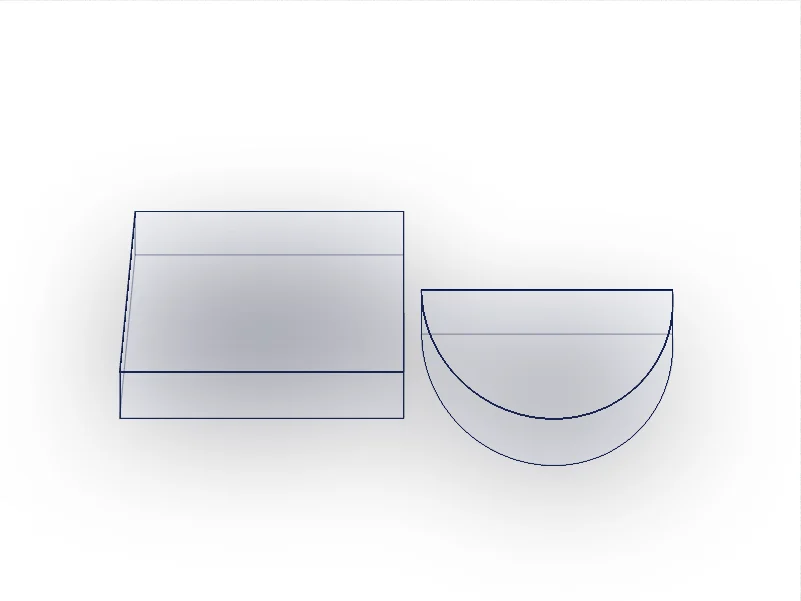 Glass blocks and prismRefracts (bends) rays: rectangular and semicircular blocks, a prism.PhysicsExam guide
- Converging and diverging lensesConverging lenses focus a parallel beam; diverging lenses spread it out.PhysicsExam guide
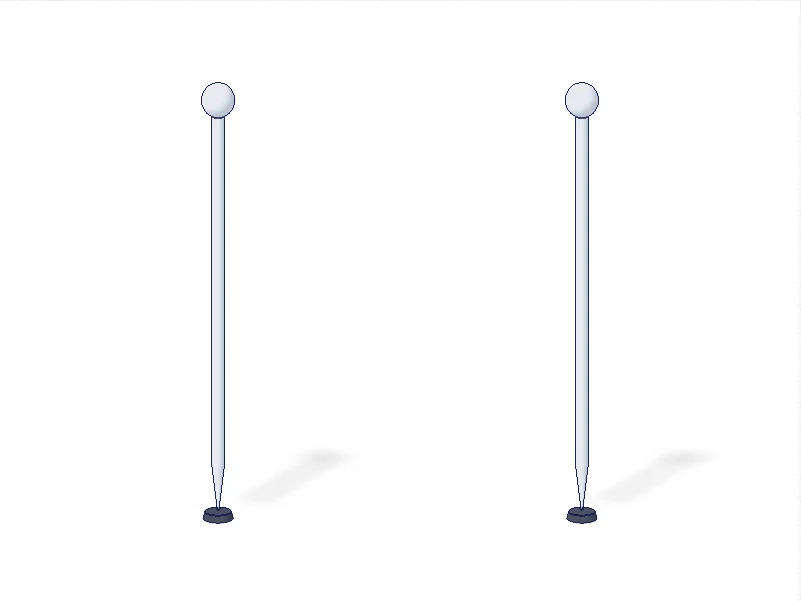 Optics pins and pin boardMark a ray’s path on paper: line up the pins and their images by eye.Physics
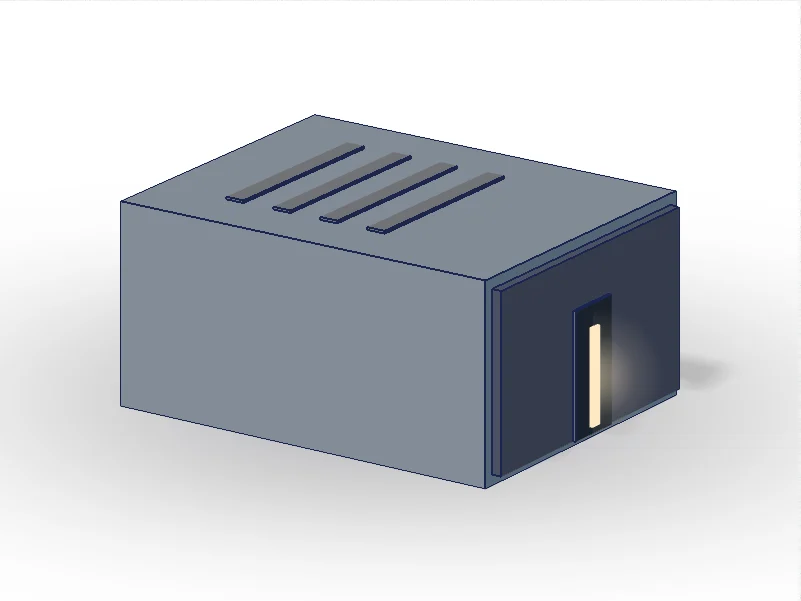 Ray boxA narrow ray of light to trace through mirrors, blocks and lenses.Physics