Light · Physics
Converging and diverging lenses
What it is for
Converging lenses focus a parallel beam; diverging lenses spread it out.
Mistake to avoid Measuring to the edge of the lens holder instead of the centre of the lens, so every distance, and the focal length, is out.
Drawn in ink: the site's lab kit has no model of it yet, so the one at school may look a little different.
How it is asked
- Say what each lens does to a beam parallel to the principal axis: a converging lens brings it to the principal focus; a diverging lens spreads it.
- Use the terms principal axis, principal focus and focal length: the distance from the centre of the lens to the principal focus.
- Draw a ray diagram for the real image a converging lens forms, and describe it: inverted, real, and enlarged, the same size or diminished.
Exam-style question
A student holds a converging lens up to a distant window. A sharp image of the window appears on a screen 15 cm from the lens.
- What is the focal length of the lens? Explain.
- Describe the image on the screen.
- The student tries a diverging lens instead. Why does no image form on the screen?
Show what a good answer says
- About 15 cm: light from a distant object arrives almost parallel, so the image forms at the principal focus.
- Real, inverted and diminished (smaller than the window).
- It spreads the rays apart, so they never meet; its image is virtual, found only by tracing the rays back.
Teaching points for checking your own answer, not official Cambridge marks.
More in “Light”
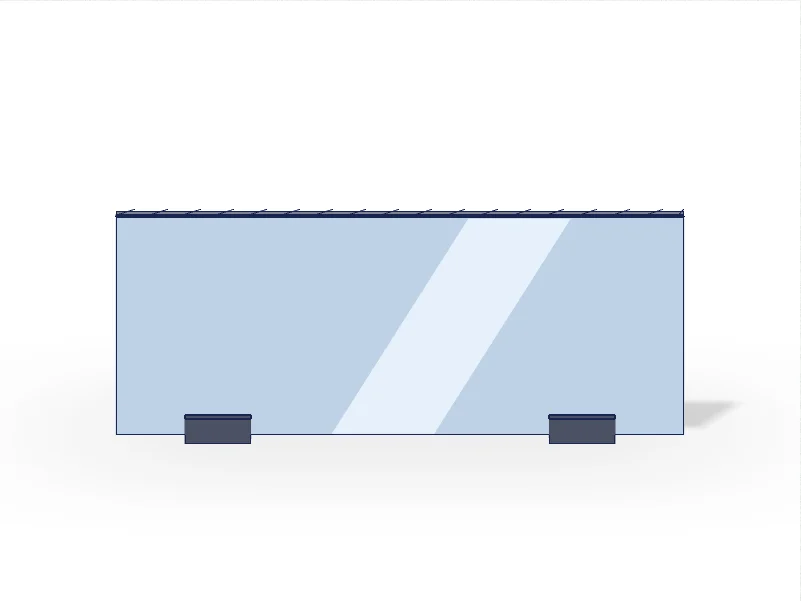 Plane mirrorReflects rays; the image is as far behind as the object is in front.PhysicsExam guide
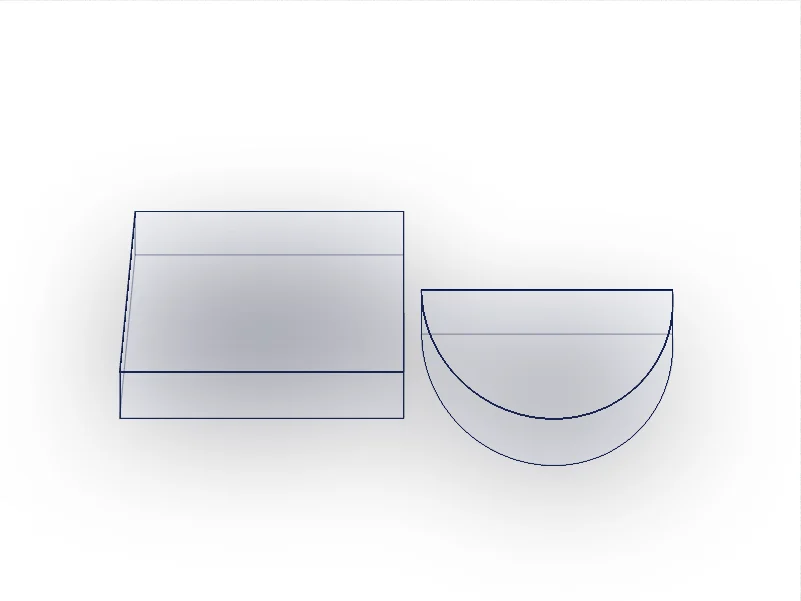 Glass blocks and prismRefracts (bends) rays: rectangular and semicircular blocks, a prism.PhysicsExam guide
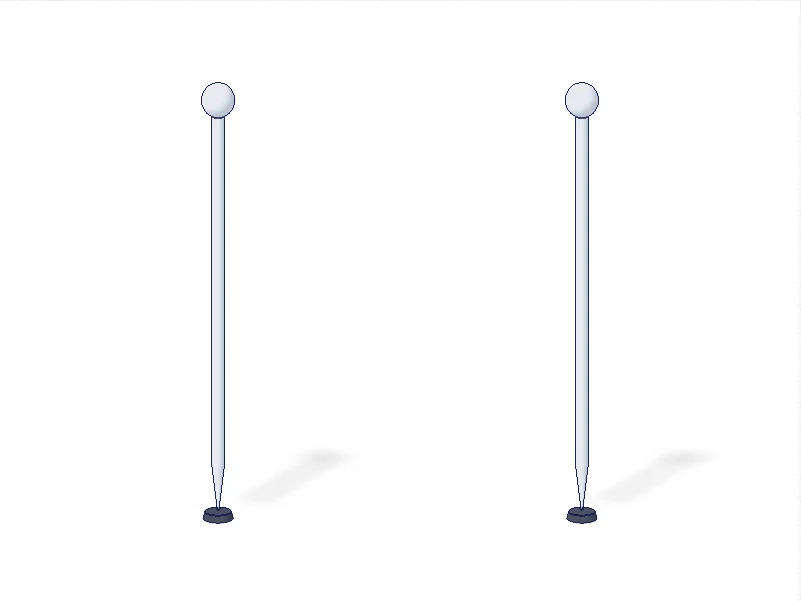 Optics pins and pin boardMark a ray’s path on paper: line up the pins and their images by eye.Physics
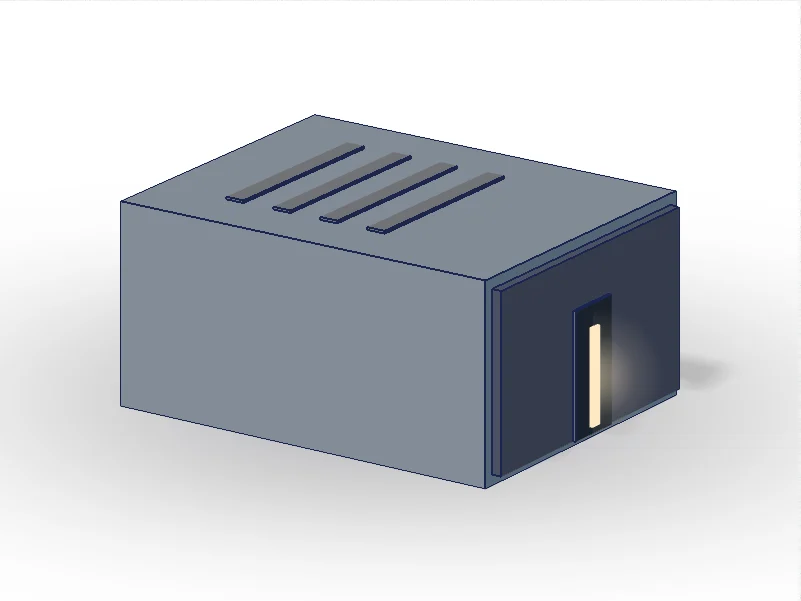 Ray boxA narrow ray of light to trace through mirrors, blocks and lenses.Physics