Heat · Biology
Water bath
What it is for
Keeps tubes at one steady temperature, such as 37 °C for enzymes.
Mistake to avoid Starting the timing before the tubes have reached the bath’s temperature, so the reaction begins before its temperature is controlled.
Drawn in ink the way exam diagrams show it; the card in the list shows the lab kit's model.
How it is asked
- Explain why a water bath is used: it keeps the tubes at one steady, known temperature, so temperature is controlled.
- Describe a temperature investigation: one bath at each temperature, with enzyme and substrate warmed separately before mixing.
- Give the safety reason in the leaf starch test: ethanol catches fire easily, so it is warmed in hot water, never over a flame.
Exam-style question
A student times how long amylase takes to break down starch, using water baths at 20, 30, 40, 50 and 60 °C.
- Why are the amylase and the starch solution put in the bath in separate tubes for 5 minutes before mixing?
- The starch is broken down fastest at 40 °C and not at all at 60 °C. Explain the result at 60 °C.
- Name two variables the student keeps the same.
Show what a good answer says
- So both reach the bath’s temperature first; the reaction then runs at that temperature from the moment of mixing.
- The amylase is denatured: the shape of its active site changes, so starch no longer fits it.
- Any two of: the volume and concentration of the amylase, the volume and concentration of the starch, the pH.
Teaching points for checking your own answer, not official Cambridge marks.
More in “Heat”
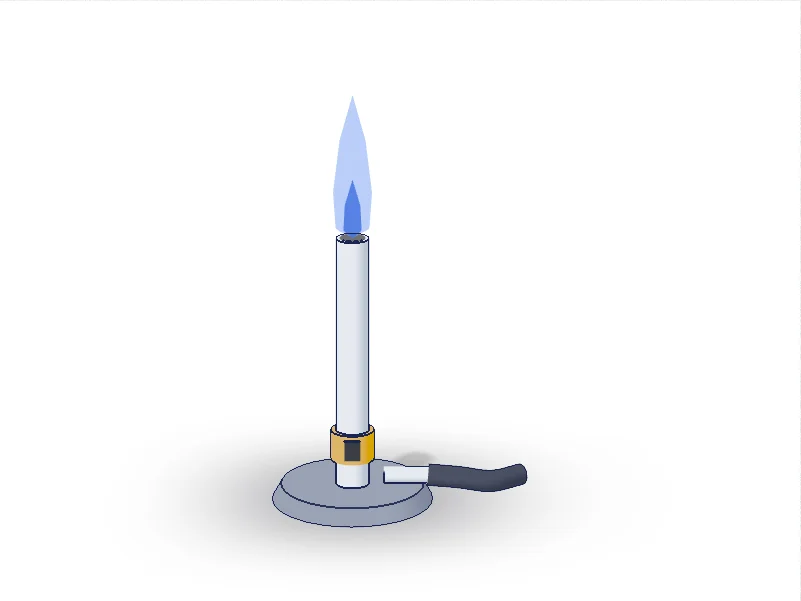 Bunsen burnerA gas flame: blue and hot with the air hole open, yellow when shut.Chemistry
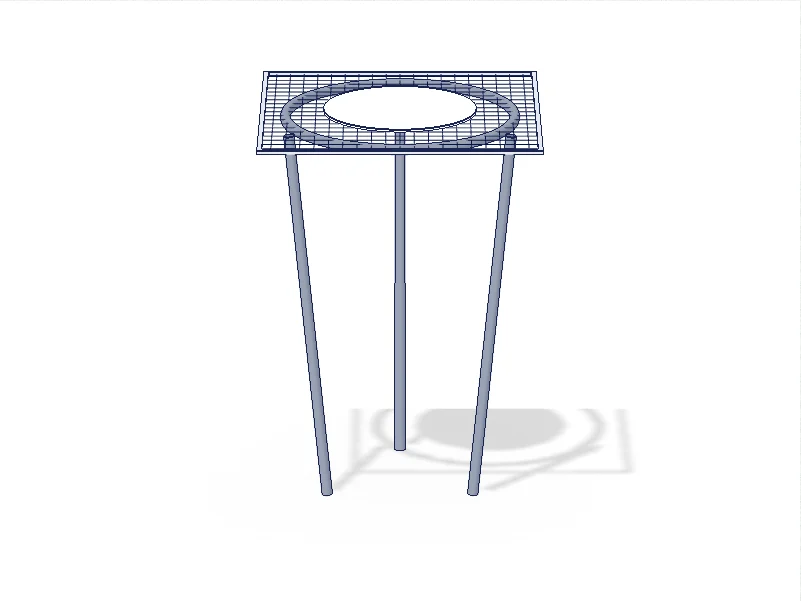 Tripod and gauzeHolds a beaker over a Bunsen flame; the gauze spreads the heat out.Chemistry
 Heat-resistant matProtects the bench under a Bunsen burner or anything hot.Chemistry
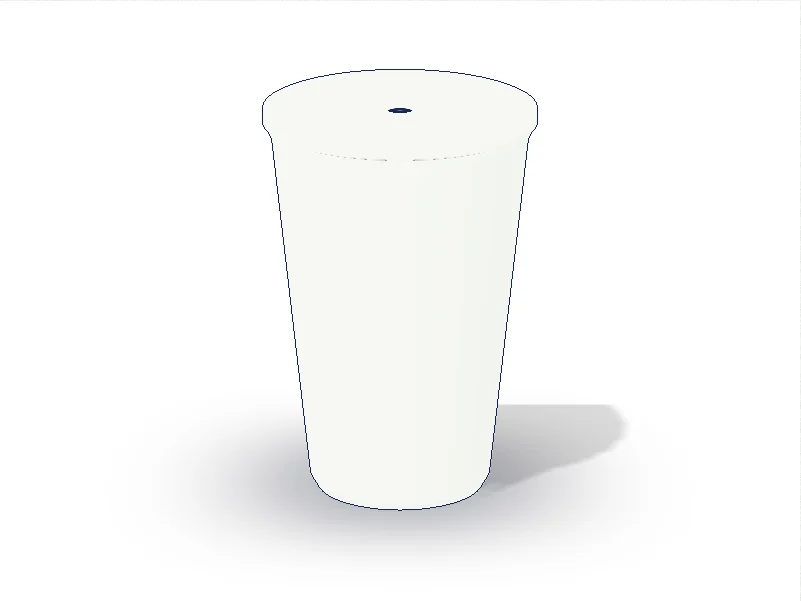 Polystyrene cupAn insulating cup for reactions: less heat escapes than from glass.Chemistry · Physics